

Author: Alex Dhaliwal
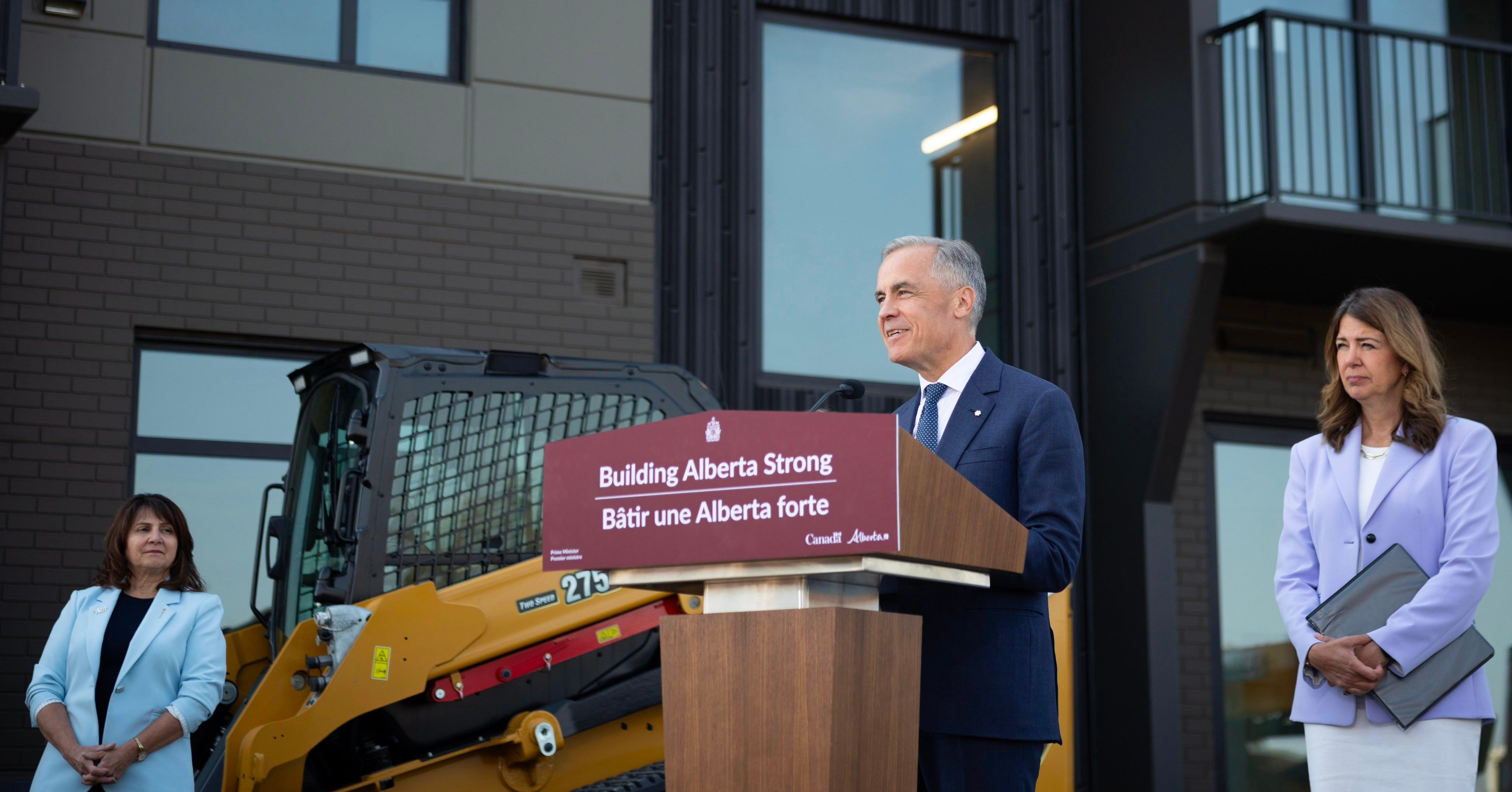
Premier Danielle Smith is warning Ottawa that escalating its trade war with retaliatory tariffs risks making Canadians pay the price for punishing Washington.
“I know, emotionally, it feels good to retaliate. I get that,” Smith said during her Saturday radio show. “But let’s remember what happens when we retaliate.”

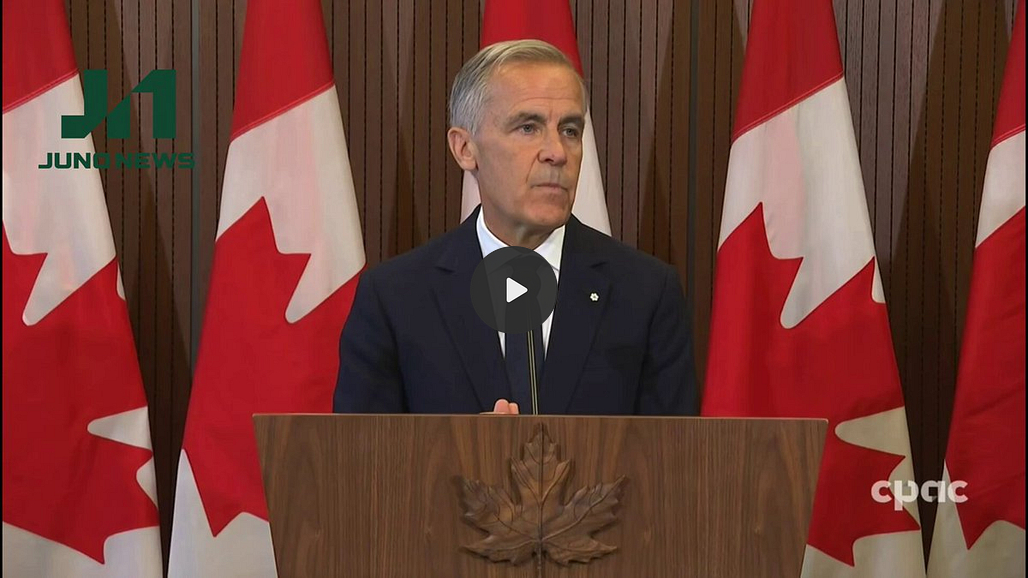
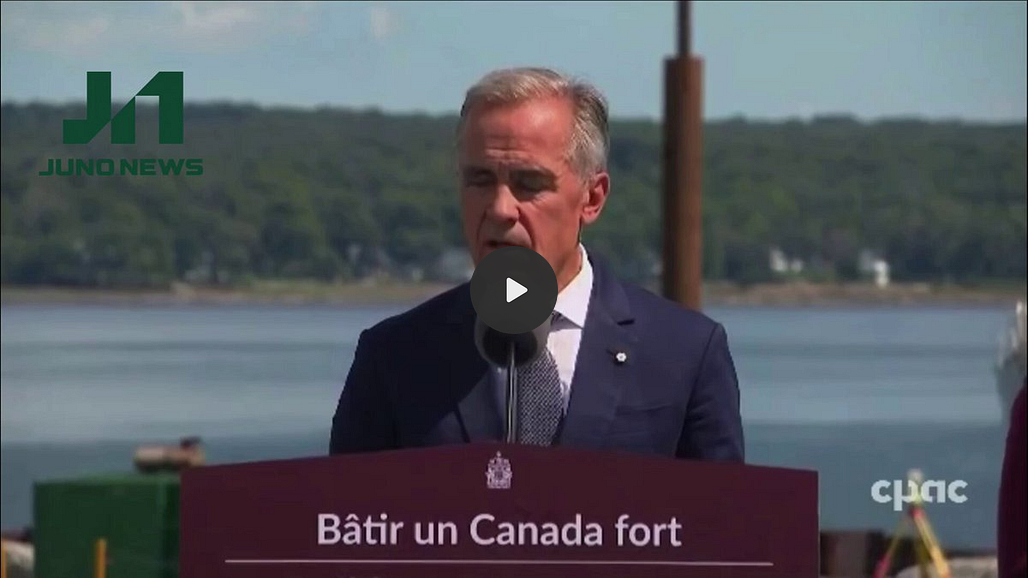
Prime Minister Mark Carney announced that Canada is prepared to impose dollar-for-dollar tariffs on American imports after his government walked away from trade negotiations with Washington on Friday.
The counter-tariffs are expected to take effect after Labour Day unless the two countries reach an agreement.

Smith backed Carney’s decision to abandon the negotiations, saying some U.S. demands were too damaging for Canada to accept.
“There were just a couple of key demands from the United States that made it really untenable for us to sign off,” she said. “It would have been too painful.”
But Smith warned that retaliatory tariffs of up to 50% on U.S. goods could significantly raise costs for Canadian consumers and businesses.
“We shouldn’t be cheering if our farmers have to pay 50 per cent more for all the equipment that they need to produce our food,” Smith said. “That is not a success.”
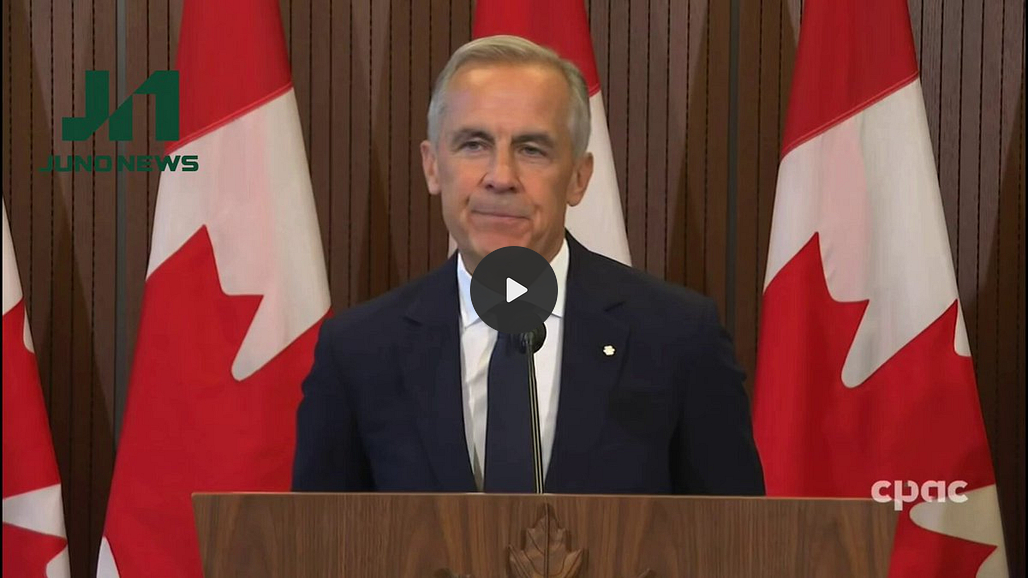
Smith has consistently opposed counter-tariffs and using Canadian energy as leverage, warning Alberta would bear the brunt of the economic fallout.
Her chief of staff, Rob Anderson, went further Friday, describing retaliatory tariffs as a “knee-jerk” response.
“Why would we punch our own Canadian businesses, workers and consumers in the face just because the U.S. is doing so to their own businesses, workers and consumers,” Anderson wrote on social media.
“We need to be smarter, not more tough guy-er.”
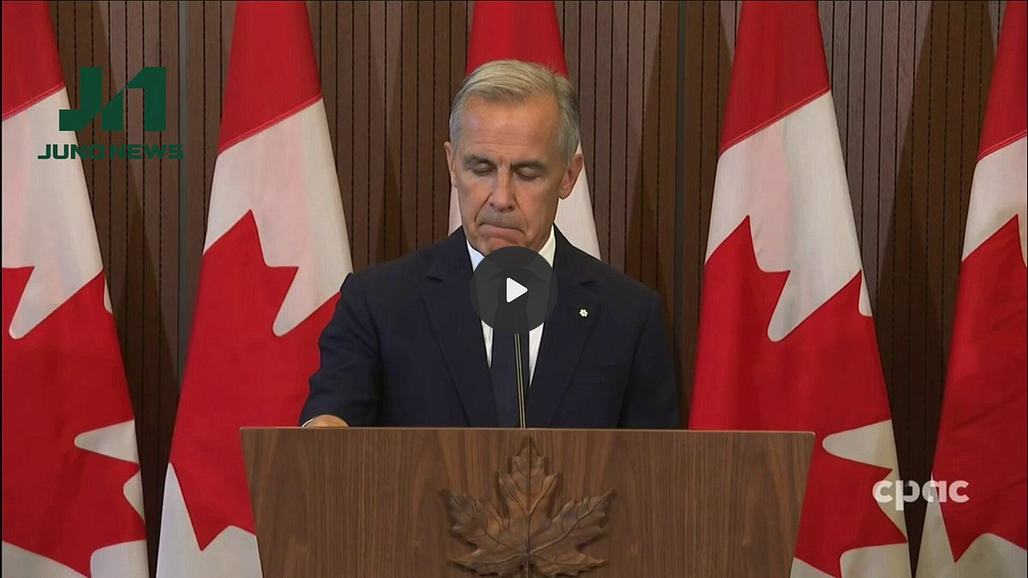
Smith nevertheless praised Carney for delaying the counter-tariffs until after Labour Day, suggesting the government is leaving Washington an opportunity to return to negotiations.
“That’s the Prime Minister saying: ‘Come on, guys, let’s see if we can figure this out over the next two weeks.’”
Alberta remains heavily dependent on the American market. The province exported $151.5 billion in goods to the U.S. in 2025, including $110.8 billion in crude petroleum.
U.S. President Donald Trump has so far spared Canadian oil and gas from the tariffs hitting other sectors.
Smith said only around 3% of Alberta’s U.S. exports are currently exposed, while the province estimates the latest measures could affect roughly $1.5 billion in Alberta trade.
“I worry about the viability of some of those furniture companies and honeymakers,” Smith said, adding that she welcomed Ottawa’s promise of financial assistance for affected industries.
Despite longstanding tensions between Alberta and Ottawa over the treatment of the energy sector, Smith also defended Ontario’s auto industry as “vitally important” to Canada’s economy.
“I hope that they can get back to the table to negotiate something that’s more fair,” she said. “But we have to understand how important that is to Ontario, as an engine of their economy.”
Smith’s cabinet is expected to meet Tuesday as Alberta weighs its response to the escalating trade dispute.
Notice Carney said we will build a strong Quebec, a strong Canada!!! What would have happened if he said we would build a strong Alberta, or a strong Saskatchewan? Silence....???!!!
Why is protecting culture and quebecs wants more than the rest of Canada. Carney is vague on his reaso. But it sounds day like it’s all Quebec and labelling. How dumb is carney to punish the rest of Canada to protect the dairy cartels of Canada.