

Author: Clayton DeMaine
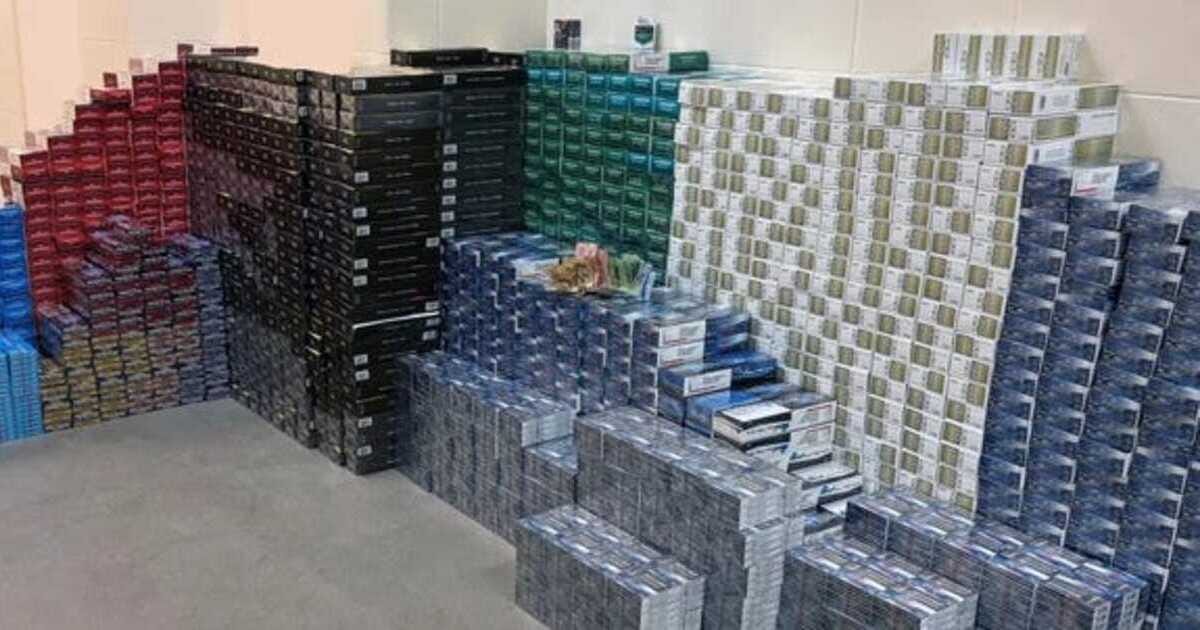
Health Canada released its third legislative review of tobacco and vaping regulations last week. A Canadian tobacco company is criticizing the report, saying it fails to adequately recognize the growing contraband market fuelled by organized crime.
The federal review of the Tobacco and Vaping Products Act acknowledges enforcement gaps, rising online sales and challenges in identifying “non-compliant” actors online. However, critics say it should have gone further in addressing the extent to which contraband tobacco dominates online sales and the role of organized crime in the illicit market.
Rothmans, Benson and Hedges, one of the largest tobacco companies in Canada, has relentlessly attacked the illicit tobacco trade, which includes unlicensed individuals purchasing contraband tobacco from Indigenous reserves for wholesale.
In a Monday press release, the company noted Health Canada’s review as “exposing weaknesses” in the enforcement of tobacco regulations, amid a growing black market and said the review “overlooks key realities” of the expanding illicit nicotine market.
“Effective law and regulatory enforcement are not optional; they are the foundation of our legal system and of any credible regulatory system. Right now, that foundation is under significant strain, given Canada’s massive illicit market.” Milena Trentadue, the managing director of Rothmans, Benson and Hedges said in the release. “Addressing these gaps, along with federal leadership on Canada’s contraband problem, must be an immediate priority.”

The Health Canada report acknowledges that online sales of vaping products have grown since 2018 and “are projected to continue to grow,” adding that enforcing the Tobacco and Vaping Products Act requires “robust oversight” and an “innovative compliance promotion and enforcement strategy.”
“It fails to address--or acknowledge--that contraband sales exceed those of any individual regulated industry actor and that these illicit products disregard government health regulations, taxes, criminal law, and Health Canada’s own tobacco cost-recovery charges,” the companies press release reads stating that the recovery charges fund “important cessation programming, research, education campaigns, TVPA enforcement activities, and support for First Nations, Inuit and the Métis Nation.”
A recent independent study commissioned by Philip Morris International, the company’s parent company, found that Canada lost more than $2.1 billion in tax revenue from illicit tobacco sales in 2025.
The KPMG study found that 38.3 per cent of an estimated 17.9 billion cigarettes consumed that year came from the black market.
“The legislative review identifies a need for stronger enforcement tools,” the release reads. “But it stops short of calling for what is truly needed: federal leadership and action using existing regulatory, legal, and enforcement powers to tackle the massive illicit market that ignores the TVPA and threatens public health.”
The Health Canada review also identified resource and enforcement capacity shortfalls and called for greater collaboration between Health Canada, the Canada Border Services Agency, the Canada Revenue Agency and law enforcement agencies. It said that “stronger information sharing between federal, provincial, territorial, local and Indigenous and international partners could improve compliance and enforcement outcomes.”
Danny Fournier, a 25-year RCMP veteran who now serves as senior manager of illicit trade prevention for Rothmans, Benson and Hedges, told Juno News last month that he believes Canada could benefit from a central hub to help provinces and law enforcement better collaborate to tackle the illicit market.
"called for greater collaboration between Health Canada, the Canada Border Services Agency, the Canada Revenue Agency and law enforcement agencies"
..They ARE collaborating with each other by covering each other's asses as entities under the control of the Carney Cartel...so quit feeding us bullshit labeled as chocolate ice cream.. .💩
First Nation's involved?There will never be serious effective enforcement.