

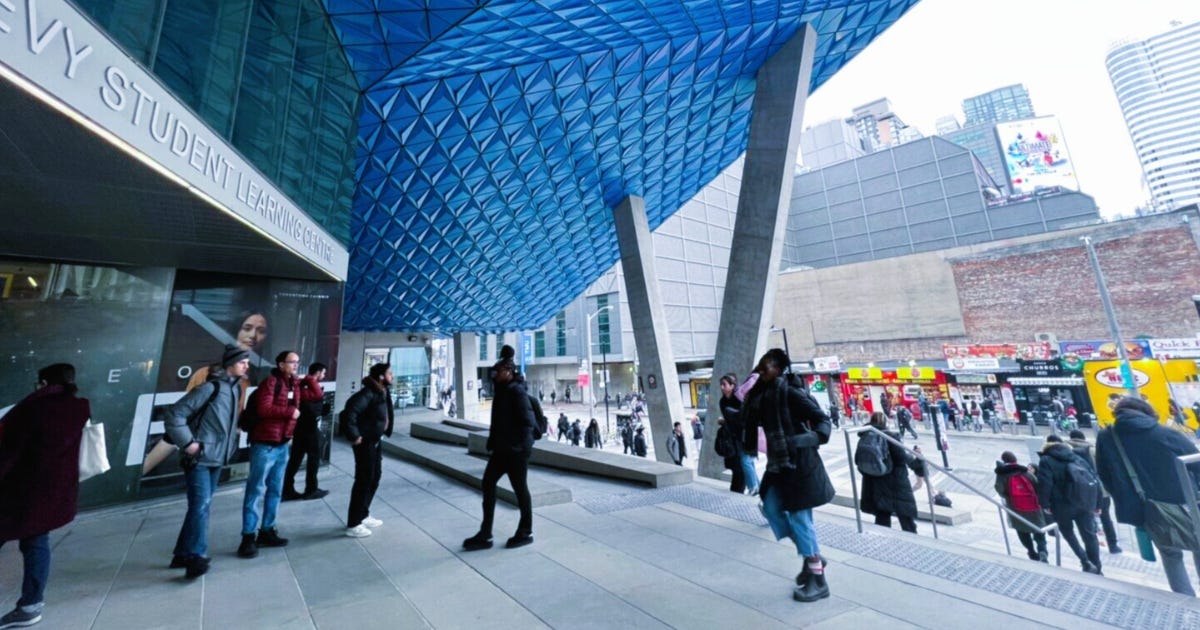
Author: Clayton DeMaine
A new academic study urges the Canadian government to “prioritize” the housing needs of international students when crafting housing policy, even as Canadians face difficulties securing an affordable place to live.
The study, by Toronto Metropolitan University associate professor Zhixi Zhuang, was published in The Conversation and involved interviews with 24 international students studying in Canada from 14 different countries.
It argued that municipal, provincial and federal governments, along with educational institutions, are “obligated” to ensure that migrants have the “widely recognized…basic human right” of housing. This is despite migrants coming to Canada under the agreement that they have enough funds to cover their living expenses without working.
“International students’ lived experiences must be central to multi-level interventions. Their perspectives should be prioritized in shaping future housing policies and services,” the study recommends.
The publisher failed to note that study permit holders “must prove” before arriving in Canada that they have “enough money, without working in Canada” to pay for tuition, living expenses for themselves and any family that joins them, and transportation.

When asked to respond to the fact that Canada expects migrants to be responsible for their own living expenses and accommodations as a condition of entry, the study author did not respond to Juno News’ request for comment.
The Immigration, Refugees and Citizenship Canada website states that, in all provinces and territories except Quebec, a single applicant must have at least $22,895 available for living expenses alone.
If a migrant brings family, the required amount increases; for example, an international student who brings two family members must have at least $35,040 available for living expenses.
International students are also legally allowed to work for up to 24 hours a week, meaning migrants can potentially double the minimum savings they are required to have by working the maximum legal hours in Canada for a year.
The study’s author, TMU professor Zhixi Zhuang, who also heads the university’s “DiverseCity Lab,” wrote that international students are uniquely vulnerable to pressures caused by record-high rents, low vacancy rates and widespread housing shortages, more so than domestic students.
She said due to “financial instability” and exploitation from landlords, such as overcrowding, rent hikes, forced evictions and rental scams, “many students struggle to meet basic daily needs.”
She used a Trudeau-era housing policy declaration from 2019 to shift the responsibility for the migrants onto the taxpayer, saying the government declared that “the right to adequate housing is a fundamental human right affirmed in international law.”
Zhuang argued that, as domestic tuition rates have been capped in many provinces and educational institutions have become more reliant on international students as a source of revenue, “housing funding” for students didn’t rise.
According to the Liberal government’s 2025-27 Immigration Plan, 2025 included a planned 10 per cent reduction in new international student arrivals from the estimated 485,000 recorded in 2024, bringing the figure down to about 437,000. The federal government also announced it would further cap the number of study permits it grants to 408,000.

This year’s immigration plan aims to reduce the number of temporary residents in Canada to five per cent by the end of 2026. The plan states, “The plan will reduce the housing supply gap by approximately 670,000 units by the end of 2027,” indicating the government acknowledges migration levels affect the housing market. Despite this, immigration officials told a House of Commons immigration committee in October that they don’t track housing outcomes for migrants after approving permits.
Zhuang writes that the immigration cap “wrongly shifts blame onto international students,” risking “lasting harm” to their health, academic success and future careers. However, a federal immigration department study released last summer found that new immigrants accounted for an 11 to 21 per cent increase in Canada’s housing and rent prices.
When asked to clarify whether Zhuang and her fellow researchers advocate for taxpayer handouts to house migrants, neither Canadian Immigrant nor Zhuang responded.
Zhuang noted that the coordination between Canada’s immigration, education and housing policies was “fragmented” and advocated for more collaboration between institutions and governments.
She further called for incentives for student housing developments and pointed to municipal bylaws, which she said stand in the way.
Seriously!! Nobody should have preference over housing other than Canadians! Everybody else can wait in line!!
Big Surprise! Canadians alway come last to Foreogn students, Immigranst, Illegal or Otherwise and Fake Refugees! Had enough of this shit yet? I have!