

Author: Alex Dhaliwal
Taxpayer advocates are raising concerns about the Canada–Alberta implementation agreement, warning it will increase the industrial carbon tax and worsen affordability at the grocery store and pumps.
“Politicians should be getting rid of carbon taxes, not hiking them,” said Franco Terrazzano, CTF Federal Director. “It doesn’t matter how politicians dress up their carbon taxes, all carbon taxes make life more expensive and make Canadian businesses less competitive.
“The carbon tax hike is a certainty, a pipeline is a maybe.”
On May 15, the federal and Alberta governments confirmed that Albertans will pay a higher industrial carbon tax starting next year.
“When we signed the MOU in November, an oversupply of credits had driven [industrial carbon tax] as low as $20 per tonne,” Prime Minister Mark Carney told reporters.
“Credits are trading at $40 per tonne, compared with the current federal headline price of $110 per tonne,” according to the Implementation Agreement documents. “The effective price – the market value of carbon credits and offsets in Alberta – will rise to $130 in 2040.”

Last week’s announcement raises the industrial carbon tax. Carney previously said changing the carbon tax makes large companies “pay for everybody.”
In contrast, Cenovus Energy CEO Jon McKenzie said no other oil-producing nation maintains an industrial carbon tax and the tax “incentivizes industry to invest outside of Canada.”
“We have created a set of national policies and regulations that make resource development and investment in Canada uncompetitive with the rest of the world,” McKenzie said.
A Leger poll finds 68% of Canadians believe businesses pass at least some industrial carbon tax costs to consumers, while 12% say businesses absorb most of it, with Albertans most likely to say costs are passed on.

The Fraser Institute estimates the industrial carbon tax would cut Alberta’s GDP by 2%, reduce average income by about $1,730, and eliminate over 10,000 jobs. It is also expected to lower Canada’s GDP by 1.3% and remove more than 50,000 jobs nationally.
The Fraser Institute also said Alberta oil and gas investment has fallen nearly 61% since 2014, from $64.7B to $25.4B in 2024 (inflation-adjusted), attributing the decline to federal policies.
“Hardworking Albertans and their job sites will be paying higher carbon taxes starting right after Christmas, but there’s no guarantee we’ll ever get another pipeline,” said Kris Sims, CTF Alberta Director.
“Instead of hammering Albertans with higher carbon tax costs, Premier Danielle Smith should have told Carney to stop roadblocking development and to scrap all of his carbon taxes so businesses can build pipelines with their own money.”
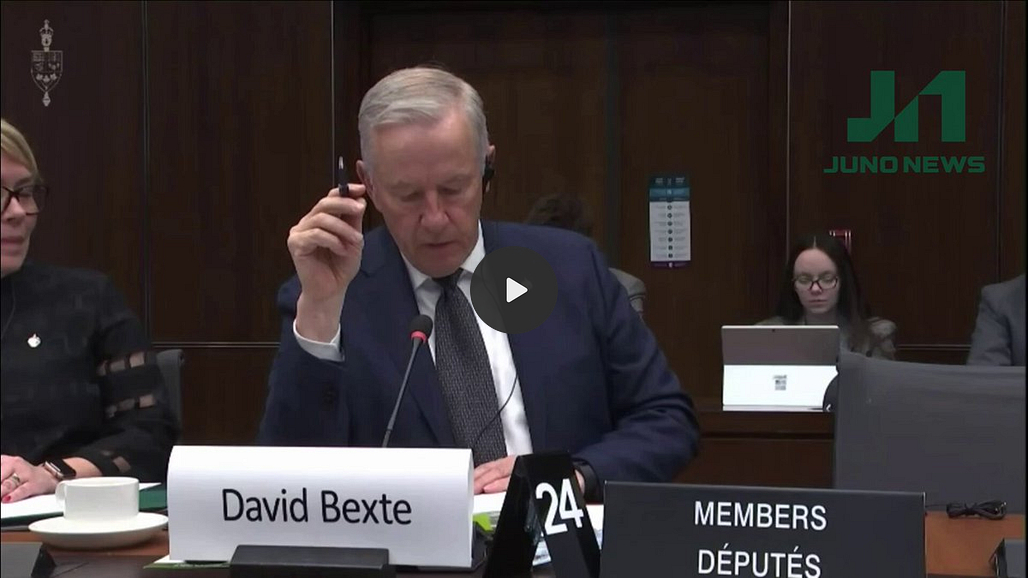
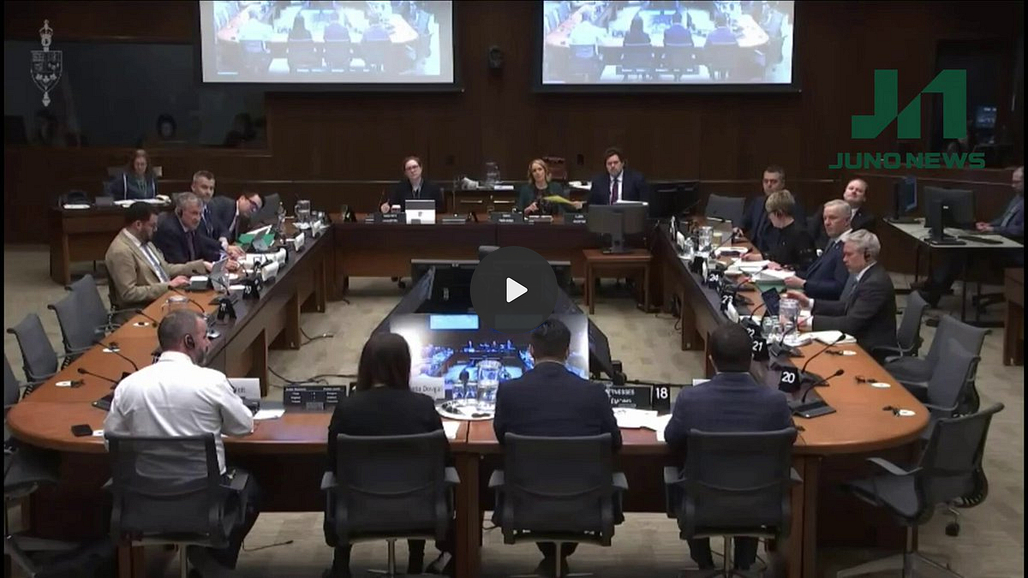
The CTF recently testified in Parliament’s environment committee, calling on the federal government to scrap the industrial carbon tax.
While Ottawa removed the consumer carbon tax last year, the industrial carbon tax remains in place as part of the federal government’s “net zero” transition.
The finance department said the carbon tax remains an “important part of Canada’s climate plan,” despite 2024 testimony suggesting it has little impact on most emissions.
Assistant deputy minister John Moffet told the Senate national finance committee the industrial carbon tax likely covers no more than about a third of emissions.
“The industrial pricing systems across Canada are contributing and will contribute approximately a third of the overall emission reductions we are seeing today and that we project in the future,” he testified on May 21, 2024.
Cabinet previously defended the carbon tax up to the Supreme Court, which upheld it as constitutional in a 6–3 ruling in 2021.
“Climate change is real,” Chief Justice Richard Wagner wrote for the majority. “The only way to address the threat of climate change is to reduce greenhouse gas emissions.”
Industrial carbon tax is BAD FOR ALL CANADIANS. They just do not understand how it is increasing the costs of ALL goods sold. YOU PAY TBE TAX - EVRTY TIME!!!!
Funny how the United Nations has dropped their Climate agenda. Kearney will never drop it and he’ll just keep going full throttle taking this country right down to the bottom.