

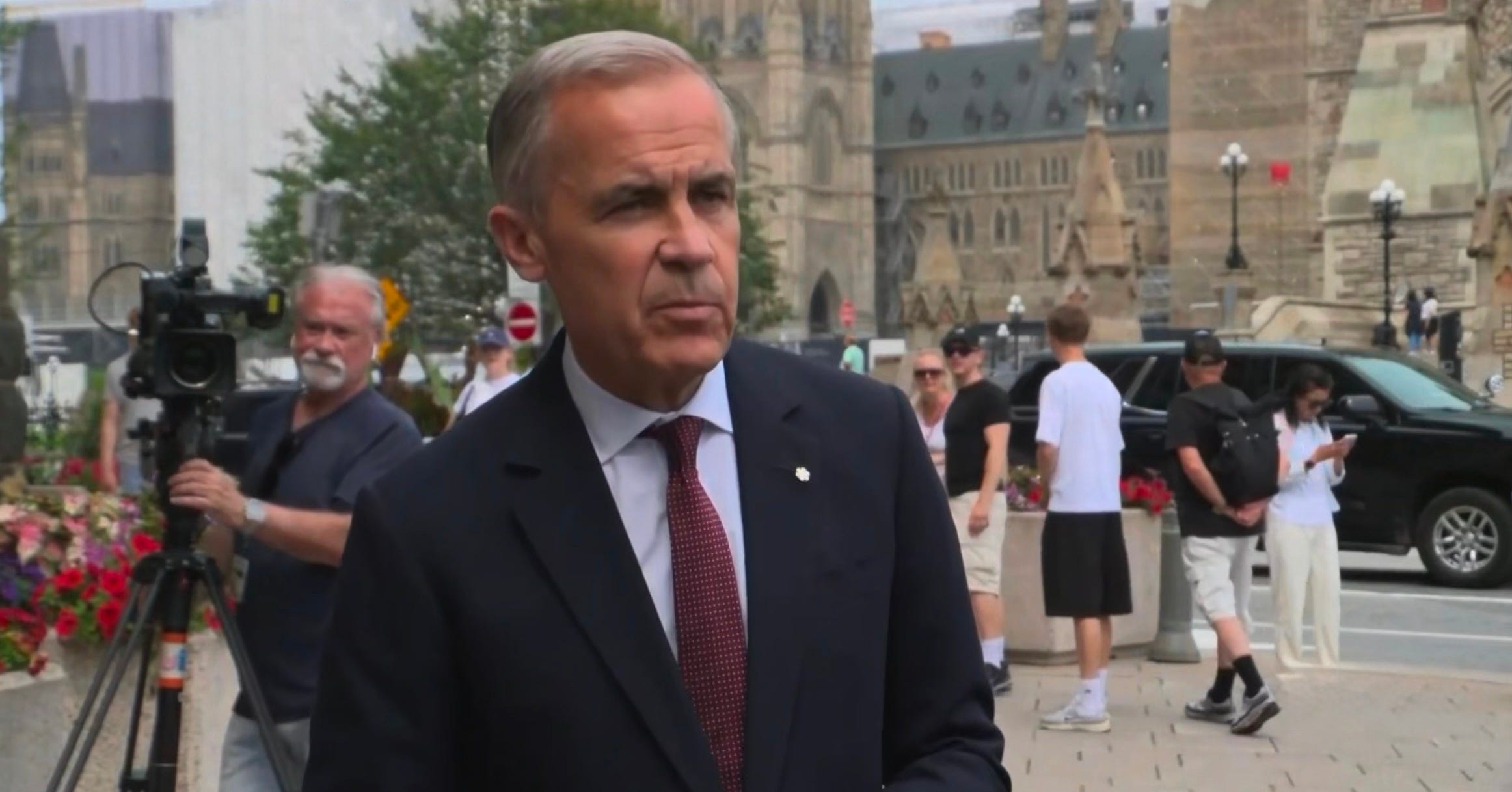
Author: Alex Dhaliwal
The Gordie Howe Bridge deal is now public—and it confirms that Prime Minister Mark Carney misled Canadians.
Canada will send the U.S. 50 per cent of the bridge’s net revenues—after operating costs, but before Canada’s debt payments—for 15 years into a fund controlled exclusively by the U.S. government, despite Canada covering the bridge’s $6.4 billion construction cost while the U.S. and Michigan contributed nothing.
The agreement also gives Washington veto power over annual toll hikes above 10 per cent or rates outside comparable regional crossings—potentially benefiting the Trump-linked owners of the Ambassador Bridge.

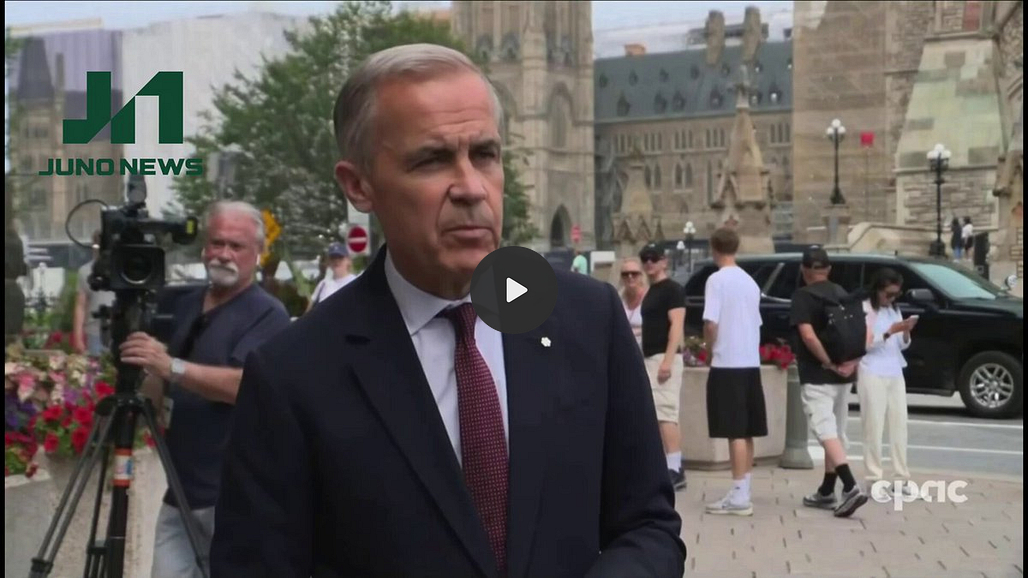
The release comes a day after Prime Minister Mark Carney walked away from reporters without answering repeated questions about whether he had misled Canadians over the undisclosed concession.
“Did you mislead Canadians on the bridge deal?” a reporter called out as Carney abruptly ended the media availability and walked away. “Did you mislead Canadians, sir?”
The agreement follows weeks of mounting questions after U.S. officials openly celebrated securing a concession absent from the original 2012 deal.

“Before this deal we got nothing,” U.S. Commerce Secretary Howard Lutnick wrote on Jul. 18. “Now the United States gets 50 per cent of net revenues until 2041 and a say in setting tolls. Our share is before interest and principal. This is the art of the deal in action.”
Under the original agreement, Canada financed the bridge’s entire $6.4 billion construction cost and retained all toll revenues. Carney acknowledged Canada would surrender part of that revenue but repeatedly declined to explain when, why or how much.
On Jul. 12, Carney said bridge revenues would first cover Canada’s debt and operating costs before any remaining revenue would be shared for 15 years.
When asked whether Canada had made any concessions, he replied: “No. It’s positive news.”
Four days later, Carney offered a different explanation, saying only operating costs—not construction debt—would be deducted before revenues were split with the United States.

“We expect after those costs for the first few years, net revenues will be modest,” Carney said. “In fact, we expect them to be negative, as traffic ramps up.”
He identified toll collection, maintenance and snow removal as examples of operating costs and said the U.S. share would be invested in economic development on the Michigan side.

But the newly released agreement confirms net revenues exclude operating expenses only, with no deduction for Canada’s construction debt or interest before half is transferred to the United States.
That discrepancy leaves a clear gap between Carney’s public explanation and the agreement ultimately signed before the bridge’s Jul. 27 opening.
The agreement also drew criticism after Infrastructure Minister Gregor Robertson insisted Canada would continue collecting all toll revenues.
“Canada will continue to collect all toll revenue, with half of net profits then going towards local economic development for 15 years,” Robertson wrote on Jul. 12, calling the arrangement “a win for Canada, the U.S., and our shared economy.”

Conservative Leader Pierre Poilievre, meanwhile, accused Carney of misleading Canadians.
“You said: ‘Any sharing of the toll revenue won’t happen until all of the debt is repaid,’” Poilievre wrote on X.
“Yet we learned last night that you signed a deal giving the U.S. ‘50% of net bridge and crossing related revenues for the first 15 fiscal years of bridge operations’—before debt repayment.
“Just profit sharing on a bridge built entirely with Canadian tax dollars. The opposite of what you said. How do we trust anything else you say about dealing with the U.S.?”
The controversy comes as U.S. President Donald Trump threatens to impose 50 per cent tariffs on a range of Canadian goods beginning Aug. 19, including products covered by the Canada-U.S.-Mexico Agreement.
Three proclamations signed Monday cite provincial bans on U.S. alcohol, Canada’s dairy supply management system, and tariffs and quotas on U.S.-built vehicles as justification.
The Gordie Howe bridge was completed last month and was expected to open in June before its ceremony was abruptly postponed. Carney dismissed the delay at the time as “no big drama.”
Media later reported Canada and the United States were quietly negotiating an opening date after Trump folded the Canadian-funded bridge into his broader trade complaints.
Construction on the Windsor-Detroit crossing began in 2018. When it opens Jul. 27, it will rank among the five longest bridges in North America.
To reiterate a post from several days ago on the Carney bans U.S. bidders, then awards $2B defence contract to an American supplier, I stated 'I wonder how the butts up, I mean elbows up, crowd rationalizes Carney caving yet again. He's like a barking poodle among wolves, specifically Trump.
Canada financed the $6.4‑billion Gordie Howe International Bridge expecting to recover the costs through tolls over several decades. Under the new arrangement, the U.S. will now take half the toll revenue for 15 years, and before debt‑repayment costs are calculated. That means the U.S. will receive significantly more money each year than Carney originally implied when announcing what looks like another failure to negotiate from a position of strength.''
The USA is turning itself into an island. Do not stand in the way of a enemy making a mistake. Send the expected commerce overseas and sacrifice that white elephant. It will be worth it guaranteed. The USA is like a drowning man climbing on the backs of all its neighbors: Greenland, Canada, Mexico, Cuba, the list grows daily as they have little options left because they are bankrupt. Best create some distance from this disaster and manage our own.