

Author: Alex Dhaliwal
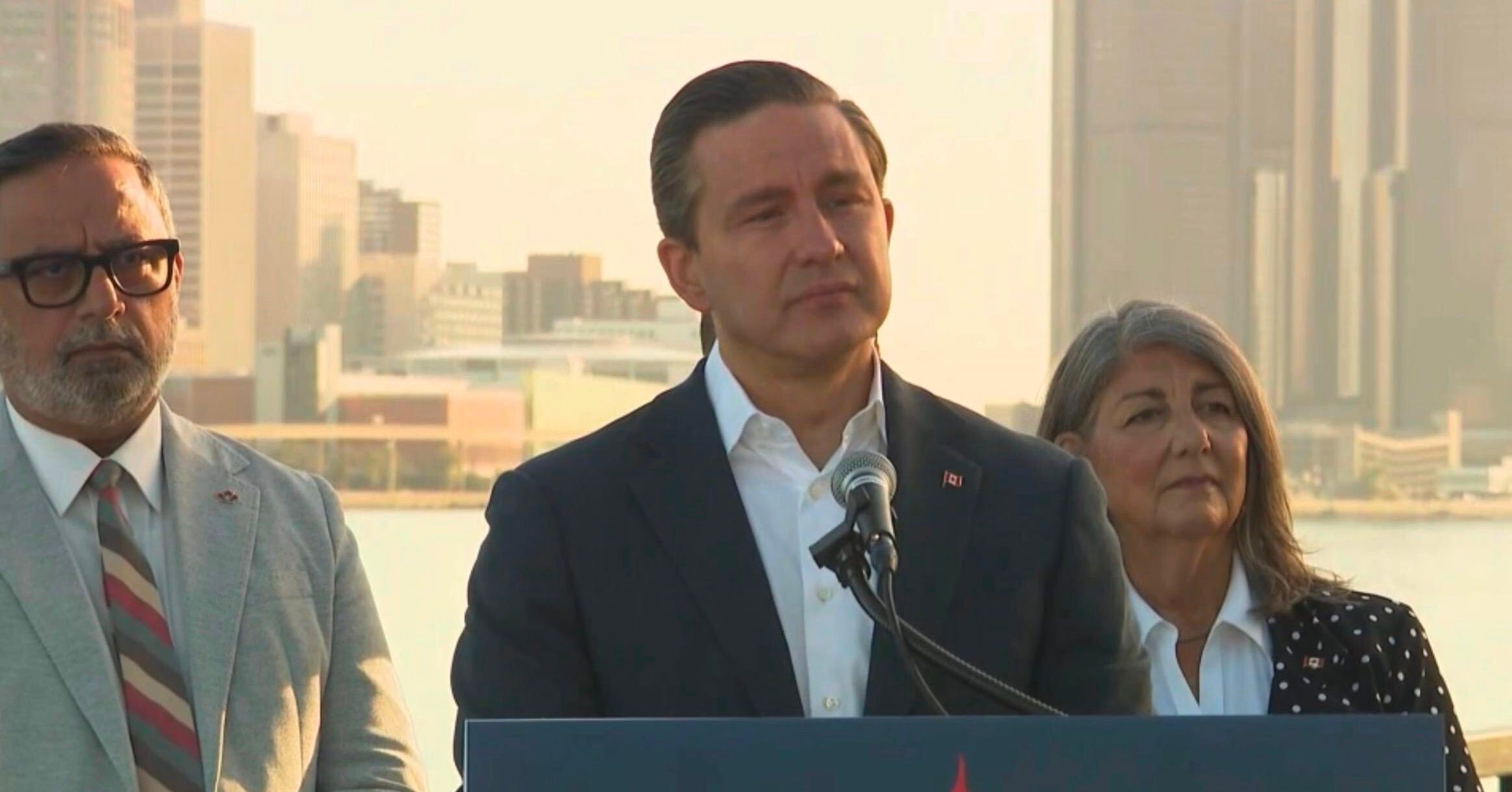
Conservative Leader Pierre Poilievre is taking aim at the industrial carbon tax as a job-killing “cash grab,” putting him on a collision course with Alberta Premier Danielle Smith, who has agreed to keep the levy alive under her deal with Ottawa.
“The industrial carbon tax has nothing to do with the environment,” Poilievre said. “It is a cash grab that kills jobs for our people and drives up the costs for our consumers.”

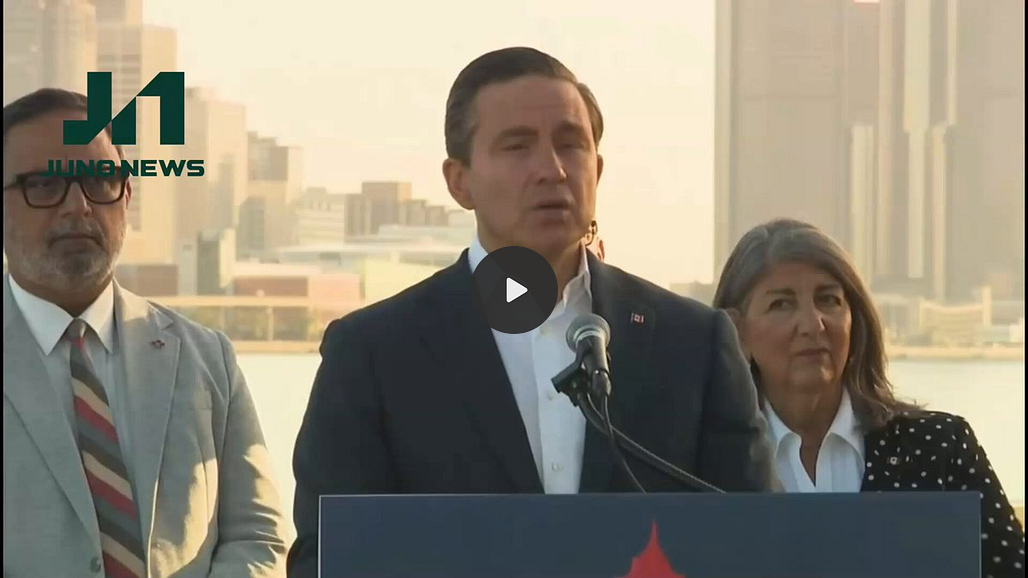
Poilievre said the levy puts Canadian steel, aluminum, auto and other major industries at a disadvantage against foreign competitors.
“The Americans don’t have that tax. The Europeans are exempting heavy industry from that tax. The Chinese economy doesn’t pay that tax,” he said, arguing Canada is pushing production and jobs into foreign economies by increasing costs at home.

Smith, however, has defended keeping Alberta’s industrial carbon tax as a compromise with Carney’s Liberals, conceding Poilievre’s election could have changed course.
“Pierre Poilievre did not get elected,” Smith said. “If he had gotten elected, we might have had a different approach.”
“We have a Liberal government where their carbon tax objectives are a much higher priority,” she added. “And so if we’re going to try to get to a deal, there’s a compromise that we have to make.”
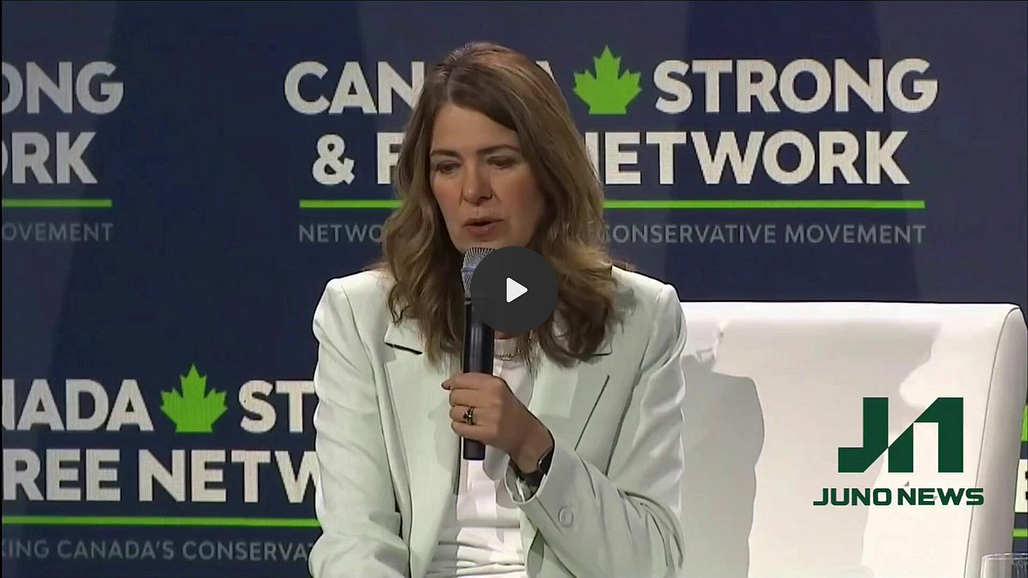
Smith has defended the broader Ottawa agreement as an improvement over the Trudeau era, praising relations with Prime Minister Mark Carney as “a lot better” after Alberta secured concessions on the emissions cap and net-zero electricity regulations.
“It’s a lot better than under Trudeau, who wanted a $170 carbon price, wanted an emissions cap [that] would have shut in 2.5M barrels of Alberta oil, and a net-zero power grid where... [noncompliant] executives would go to jail,” Smith said May 8.
Under a subsequent agreement, Alberta accepted higher TIER carbon prices beginning in 2030 in exchange for federal support for a new West Coast pipeline, a deal Smith called a “win.”
The floor rises from $60 per tonne in 2030 to $110 by 2040, with the headline price reaching $140 and an effective target of $130.
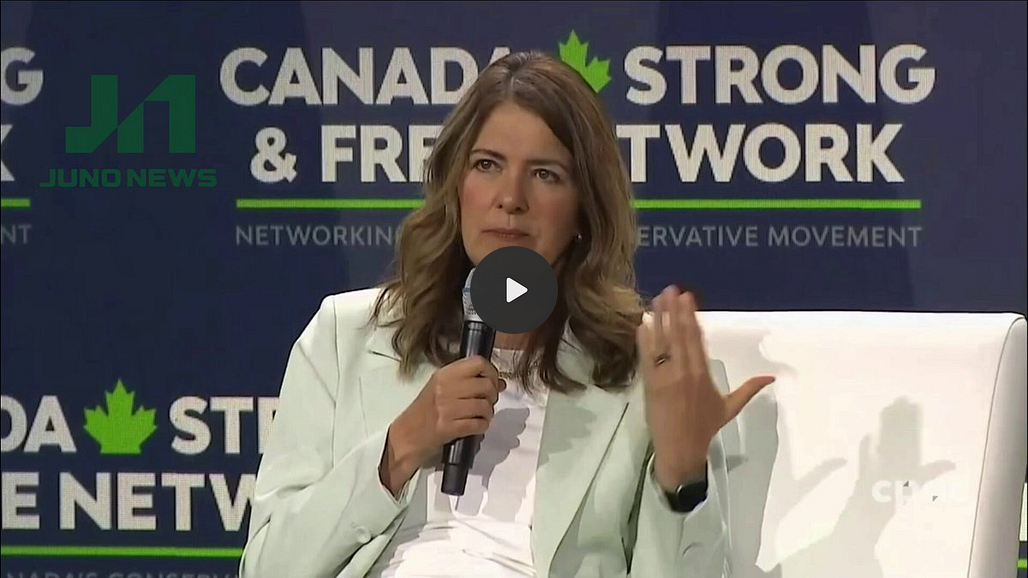
However, Smith also warned the tax could hurt Alberta’s competitiveness and raise costs.
Earlier, Alberta froze its TIER industrial carbon price at $95 per tonne, rather than allowing it to rise to $110, citing U.S. tariffs, economic uncertainty and industry competitiveness concerns.
Saskatchewan Premier Scott Moe, by contrast, scrapped both carbon taxes, citing lower costs and stronger competitiveness.
Meanwhile, Poilievre has pledged to go further federally by eliminating the industrial carbon tax, repealing the federal carbon-pricing law and ending provincial backstops.
A Fraser Institute study warns Alberta’s $140 carbon tax and carbon capture rules will raise energy costs and hurt competitiveness.
By 2040, the policies are projected to raise production costs by 19.6% to 39.1% across Alberta’s oil, natural gas and electricity sectors, while U.S. competitors in Texas and New Mexico face no comparable costs.
Author Jack Mintz warned the higher costs could push investment to U.S. jurisdictions offering better returns while also raising electricity costs for Alberta businesses.
Similarly, a Leger poll commissioned by the Canadian Taxpayers Federation found 70 per cent of Canadians believe businesses pass most or some industrial carbon-tax costs on to consumers.
There's no controversy here. Smith made the pragmatic decision of what's best for Alberta by compromising in exchange for necessary action by the federal government. Poilievre has rightly critiqued it from a national perspective.