

Author: Cosmin Dzsurdzsa
A leading national disability organization is calling on Parliament to repeal so-called “Track 2” assisted suicide, as a special joint parliamentary committee continued hearings Tuesday evening on whether to expand eligibility to Canadians suffering solely from mental illness.
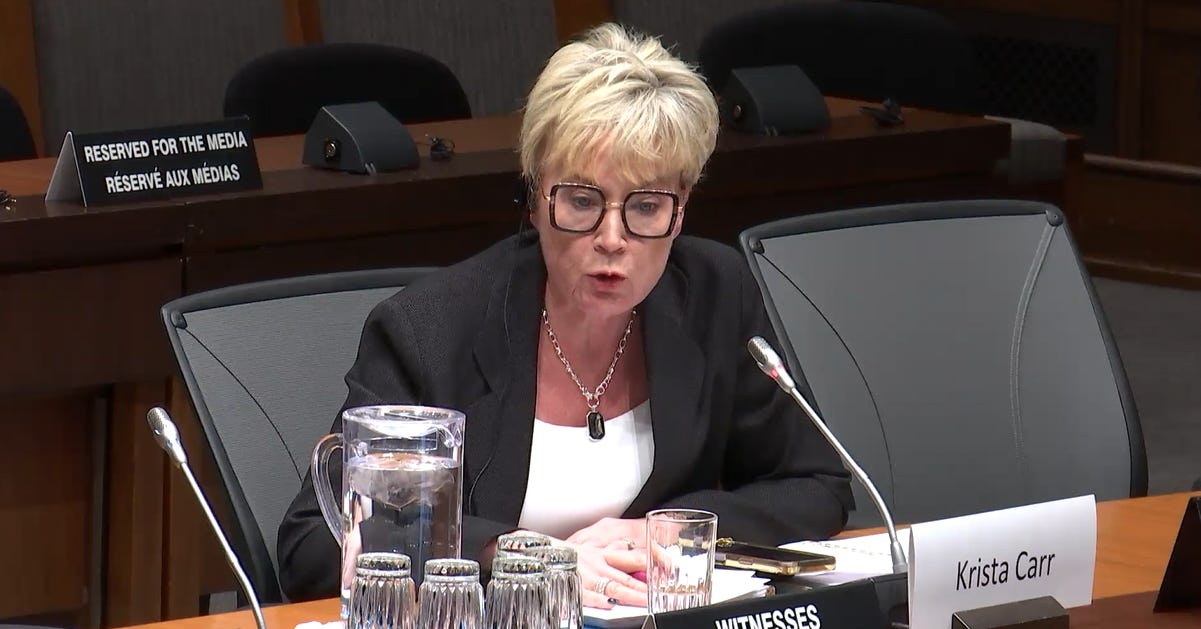
Krista Carr, CEO of Inclusion Canada, told MPs and senators that lawmakers must roll back provisions that allow access to assisted suicide for individuals who are not nearing the end of life.

Krista Carr told the committee that Inclusion Canada receives weekly calls from individuals with disabilities who are unable to access basic supports or who report being offered assisted suicide instead of routine medical care.
She recounted cases ranging from treatable injuries to manageable illnesses, emphasizing that those reaching out were seeking help and not death.
“From a bruised hip… to accessing treatment for pneumonia… none… wanted to die,” Karr told MPs.

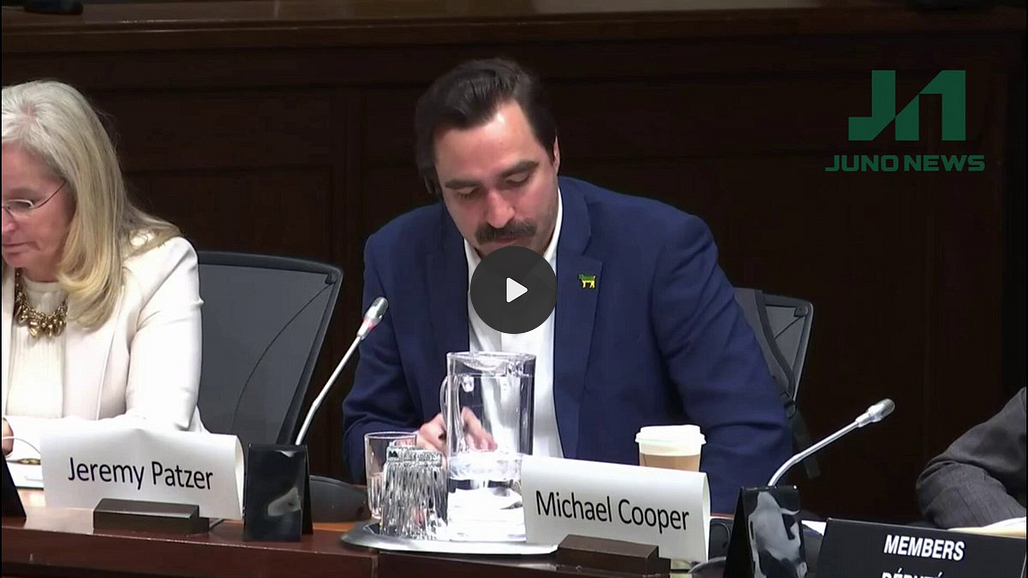
Track 2 assisted suicide, introduced following legislative changes in 2021, applies to individuals whose natural death is not reasonably foreseeable. Between 2021 and 2024, 2,050 Canadians died under this stream.
Carr argued that Canada’s assisted suicide framework is effectively “steering” people with disabilities toward death rather than providing adequate supports.
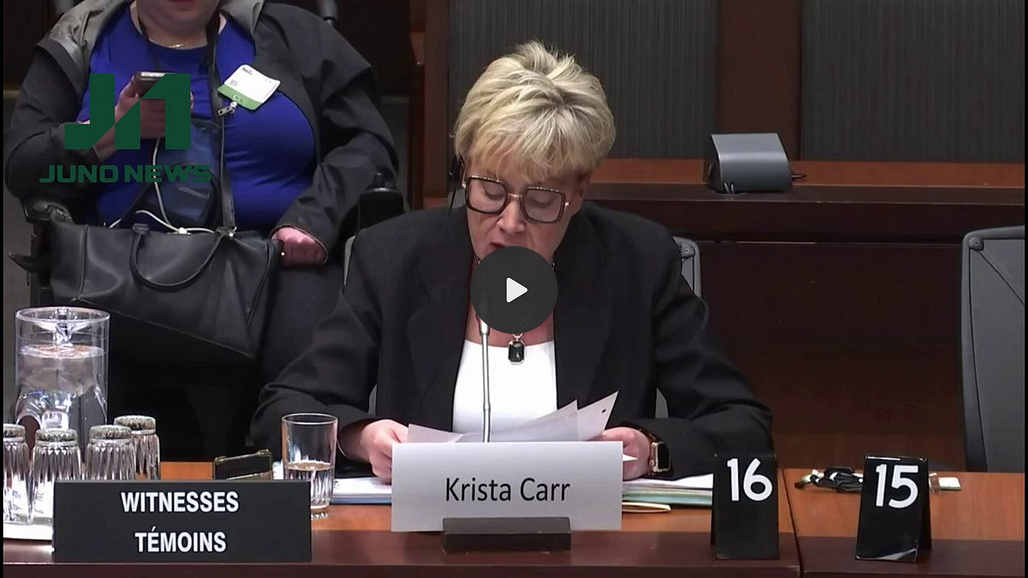
She said Track 2 disproportionately applies to non-dying individuals with disabilities, raising serious constitutional concerns. Carr described the policy as “discrimination, contrary to Section 15 of the Charter,” which guarantees equality rights under Canadian law.
Advocates say the policy disproportionately affects vulnerable populations, including persons with disabilities, women, Indigenous people, and those living in poverty or isolation. Inclusion Canada maintains that the framework is inherently discriminatory, as it applies exclusively to individuals with disabilities who are not at the end of life.

Psychiatrist Dr. John Maher also cautioned that expanding assisted suicide to include mental illness risks normalizing suicide more broadly, pointing to what is known as the “Werther effect,” where exposure can increase suicidal behaviour.

Maher also raised concerns about how eligibility criteria are being applied in practice, stating that assisted suicide has in some cases been approved for patients with severe mental illness based on relatively minor physical conditions. He cited an example involving a patient with schizophrenia who qualified after suffering a broken ankle, arguing that some approvals appear to fall outside the legal framework and are, in his view, “frankly illegal.”
Inclusion Canada is also involved in an ongoing constitutional challenge before the Ontario Superior Court of Justice, seeking to strike down Track 2 provisions. At the same time, it is pressing Parliament to act legislatively to restore assisted suicide law to what it describes as its original intent, limited to those whose deaths are imminent and reasonably foreseeable, as outlined when the law was first enacted in 2016.
The debate comes amid mounting international scrutiny. The United Nations Committee on the Rights of Persons with Disabilities has called on Canada to repeal Track 2 assisted suicide entirely, including the planned expansion to individuals whose sole underlying condition is a mental illness. The committee has also urged Canada to reject proposals to extend access to mature minors and through advance requests.
Tuesday’s hearing features a range of expert witnesses, including psychiatrists, legal scholars, and policy experts. The witness list also included Dr. Christopher Lyon. The committee also heard from legal academics, including professors from the University of New Brunswick, the University of British Columbia, and the University of Ottawa.
The Special Joint Committee, composed of 10 MPs and five senators, is expected to conclude its hearings by the end of April, with recommendations that could shape the next phase of Canada’s assisted suicide regime.