


Author: Alex Dhaliwal
Controversy over state surveillance in Canada is escalating after Public Safety Canada received a Community Note on X for attempting to rebut criticism of Bill C-22, the Lawful Access Act.
“Bill C-22 may not formally create new warrant powers, but Part 2 would impose new lawful-access and technical capability obligations, including metadata retention,” reads the note.
“Privacy experts argue this expands the practical surveillance framework if warrant standards remain unchanged.”


Originally part of Bill C-2 before being split over civil liberties concerns, the Lawful Access Act was presented as a tool to help police and security agencies fight crime and terrorism, but critics said it violated Section 8 Charter rights by lowering access thresholds and requiring retention of otherwise deleted data.
Bill C-22 would let police obtain detailed subscriber information — including account, device and service data — on “reasonable suspicion” rather than the higher standard of “reasonable grounds to believe,” potentially exposing sensitive records.


Josh Dehaas, interim litigation director at the Canada Constitution Foundation, told Juno News that while police currently need a judge’s production order to obtain suspect data, Bill C-22 would require tech companies to proactively collect it.
“To me, that goes too far in trying to prevent crime and it’s one step closer to a surveillance state,” Dehaas said.
While a traditional seizure involves police taking direct possession of data, this measure would still constitute a “seizure” because the government would compel private companies to retain it on its behalf.
If passed, the bill would also let the government order companies to install systems that feed information to law enforcement and issue ministerial orders in secret.

The proposed powers would affect tech giants like Google, X, Meta, Rogers, Telus, and Bell to disclose user data.
Critics of the legislation say it risks turning Canada into a mass surveillance state.
“Privacy is the shield of a free people,” said John Carpay, President of the Justice Centre for Constitutional Freedoms. “Canadians deserve security without sacrificing privacy.”

According to the Justice Centre, Bill C-22’s surveillance powers are so extreme that privacy and cybersecurity firms may leave Canada rather than comply.
“When laws drive secure communications services out of the country, Canadians should be asking serious questions about privacy, security, and government overreach,” says the freedom-oriented charity.
Signal was the first company to warn it may leave Canada if Bill C-22 passes, saying the legislation would undermine user privacy. Founded in 2012, the encrypted messaging app is widely used by Canadians, including journalists, dissidents and government employees.
VPN service Windscribe said it “won’t be far behind” Signal. NordVPN later said it is “actively reviewing” the legislation.
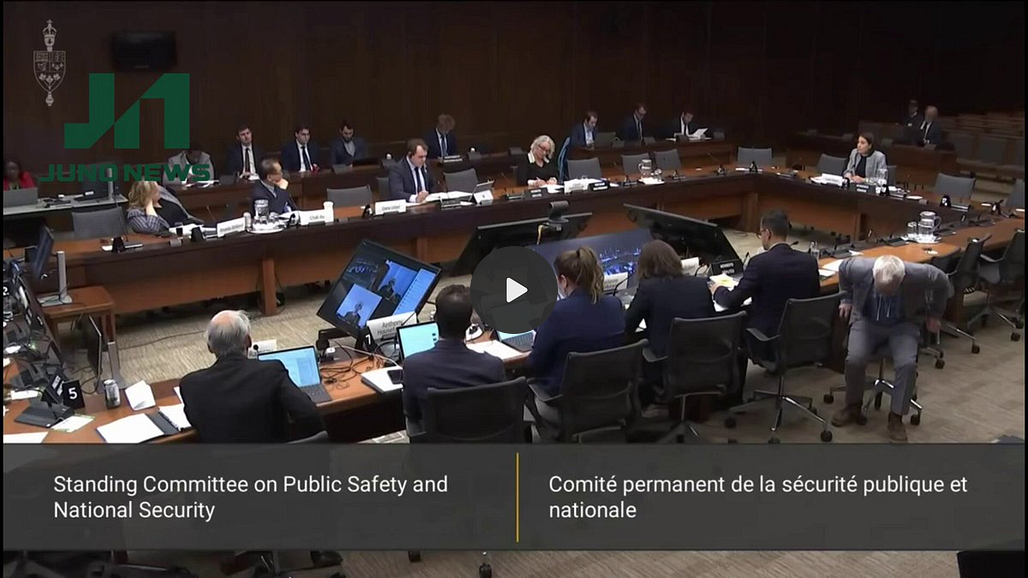
Conservatives have also pushed back on Bill C-22, with MP Dane Lloyd noting many tech companies advertise protections against remote microphone activation.
He then asked Leah West, an associate professor of national security law and cyber operations at Carleton University, whether those privacy protections would remain under Bill C-22.
West said the bill allows for ordering intercept capabilities, potentially including remote access features, as long as no systemic vulnerability is created.
Lloyd clarifies that “secret ministerial orders” could potentially require companies to enable remote microphone activation without public disclosure, while still advertising privacy protections.
Critics warn the Liberal government will “rush the bill through,” given its majority, despite opposition from several civil liberties groups. It remains before the Standing Committee on Public Safety and National Security for study.