

Author: Clayton DeMaine
The Liberals’ 2026 federal budget sets a target of 370,000 new temporary resident arrivals in 2027, excluding asylum seekers, while outlining permanent residency measures that could bring total admissions to as many as 662,000 by the end of next year, including people already living in Canada and new arrivals.
The Liberals’ Budget 2026, announced Thursday, reveals the government is sticking to its official immigration targets set out in the previous budget.
Conservative Leader Pierre Poilievre, however, is criticizing the budget’s immigration numbers as another example of the Liberals’ “cooking the books.”
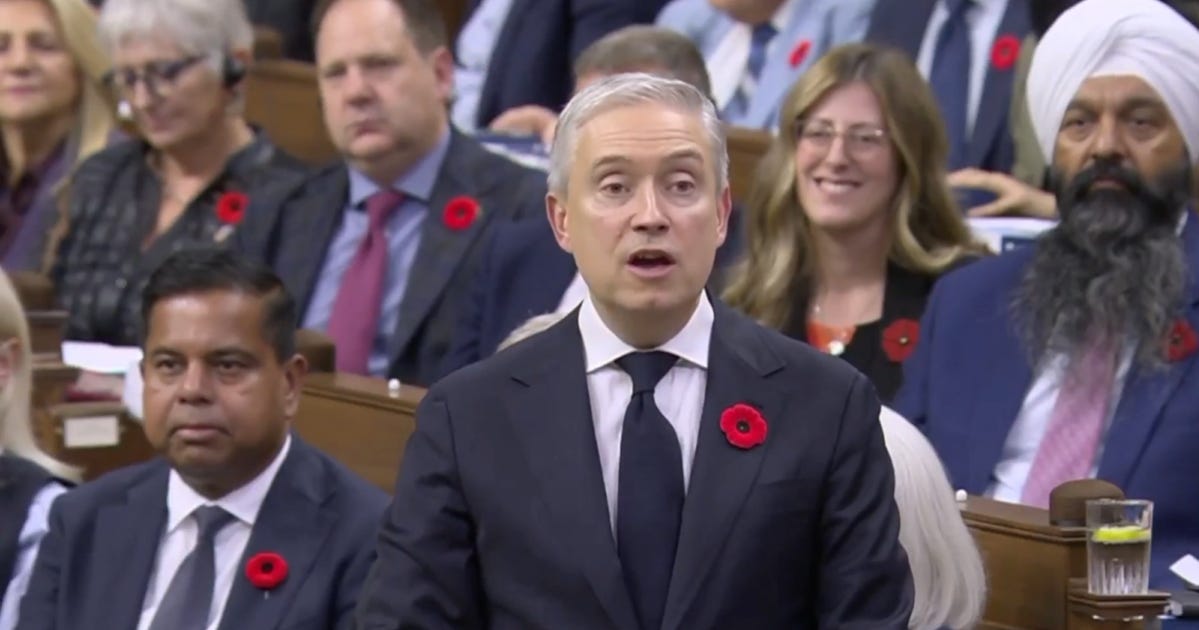
“The only thing that is worse than the prime minister cooking the financial books is cooking the books on immigration. We know that he did that last year when he claimed that the population of Canada was 300,000 fewer people than it actually was,” Poilievre said in the House of Commons after the Budget was announced on Thursday.
“You have to wonder: is it incompetence or is it dishonesty that would have the government lose track of 300,000 people? And today, yet again, the prime minister uses a side window to increase the number of people who can come in through new programs that are not counted by existing ones.”
The plan itself says there will be 380,000 admissions for permanent residency in 2027, without specifying how many of those applicants were already in the country and how many are new arrivals.
What that number doesn’t include is an additional 200,000 through a one-time initiative: the Liberals plan to grant permanent residency to temporary migrants already living in Canada. The plan outlines that up to half of this number is for workers and their families, while the other half is estimated to be for humanitarian and family-related applicants.
On top of that is an additional 69,000 in 2027 from an initiative announced in 2025 that granted 69,000 refugees and asylum seekers permanent residency, and 13,000 next year from a separate program announced in 2025 that grants temporary workers permanent resident status.
All of this combined means that the Liberal government is prepared to create up to 662,000 new permanent residents this year, according to immigration lawyer Steven Meurrens.


The government’s 2026 Annual Report to Parliament on Immigration, including its Immigration Levels Plan, states that the government’s targets for new temporary residence in 2027 will remain 370,000, comprising 220,000 workers and 150,000 students.
None of the new temporary migrant numbers include asylum seekers, as the federal government maintains that it “cannot control admissions volumes in the same manner as it does for most immigration programs.”
Conservatives rejected the budget for a host of reasons, one being that “it fails to reduce immigration targets to match the rate of growth in the number of houses, doctors, and jobs.”
Liberal Finance Minister François-Philippe Champagne said that the budget reflects a “balanced immigration policy” that will attract “the talent that our growing industries need, supporting communities and families, and retaining the Canadian tradition of welcoming those fleeing conflict while ensuring we keep immigration levels at a sustainable level.”

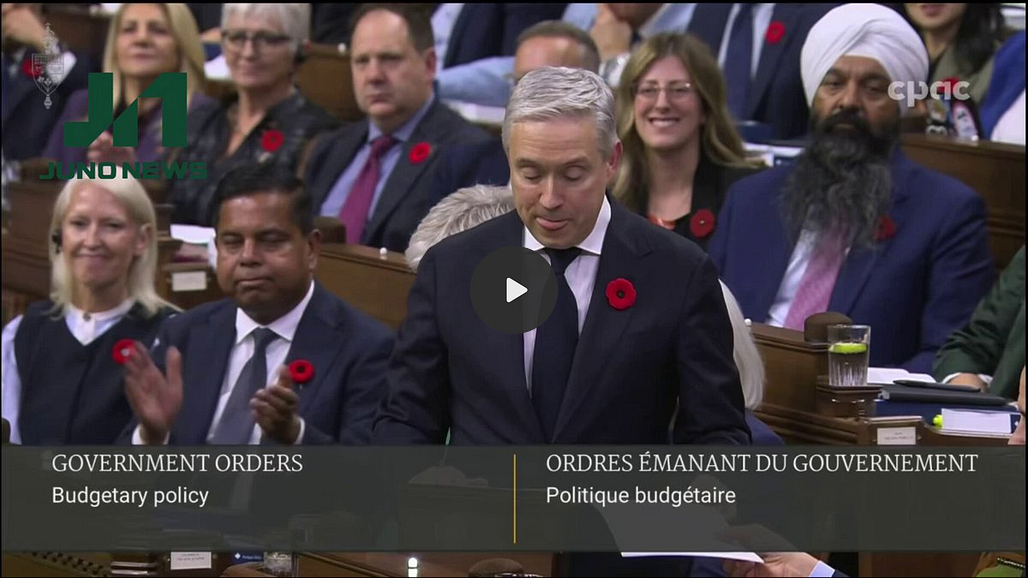
When asked to clarify whether the 380,000 permanent residency admissions included numbers from the government’s individual initiatives to transition 200,000 temporary residents to permanent status and the other initiatives announced last year, a spokesperson for the IRCC directed Juno News to an advisory that didn’t answer the question.
Immigration Minister Lena Diab is expected to address the immigration levels in a press conference on Friday.
Conservative Immigration critic Michelle Rempel Garner warned that the new additions to Canada’s population were like adding the entire population of Winnipeg to the country in a year.
“These are still among the highest levels in Canadian history, after the out-of-control years of 2022 to 2024 left the country no time to recover. Canadians were told to expect a sustainable plan,” Rempel Garner said. “But based on today’s numbers, what Mr. Carney meant by ‘sustainable’ is sustainable for corporate profit models, not for workers or Canada’s social infrastructure.


She said the addition of 200,000 permanent residents brings the real total to potentially “580,000,” which is similar to last year’s budget, where 148,000 were allotted through side programs not reflected in the official number presented to Canadians.
Rempel Garner added that new reports suggest that 2.1 million people are in Canada on expired or expiring visas this year, but that the Liberals haven’t detailed their plan to ensure they leave Canada.
“Meanwhile, the people paying the price are Canadians and newcomers. Canadians lost 34,000 full-time jobs in 2026 so far, while the government has given out over 120,000 temporary foreign worker permits,” she said.
“The government’s own housing department admits immigration-driven demand is a driver of the housing shortage and that its housing target won’t be met this decade.”
Rempel Garner added that Liberal mass immigration has contributed to Canadians waiting a median of 28.6 weeks for treatment, with at least 23,746 dying while waiting for care in 2024-25.