

Author: Alex Dhaliwal
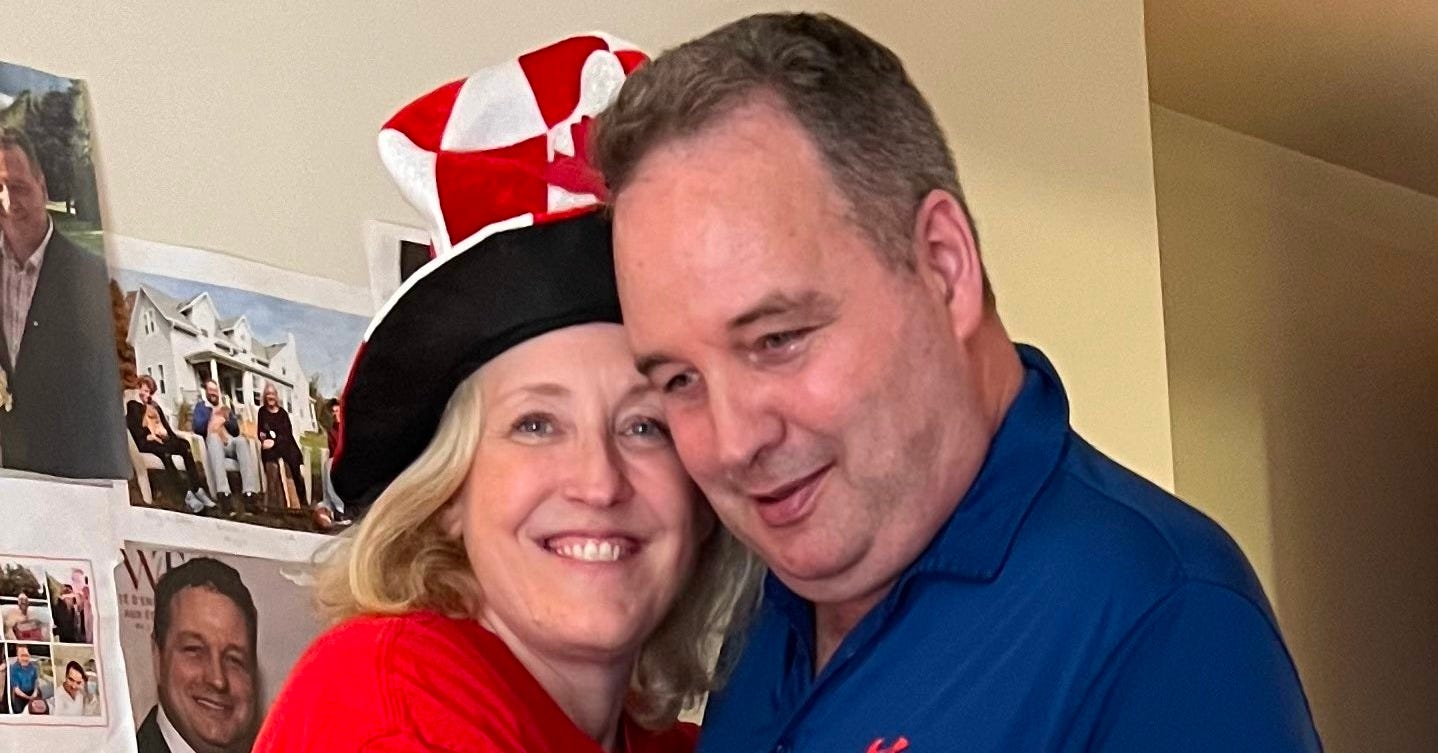
Former Conservative cabinet minister Lisa Raitt says she’s concerned about whether Prime Minister Mark Carney’s ‘assisted suicide’ bill would permit a patient with dementia to have MAID on an earlier written request, even if they are happy and content.
Raitt worries the Liberal proposal would allow MAID to proceed regardless of the family’s wishes.


“Even after 11 years, yesterday, I saw him smile, laugh, interact and enjoy his meals while being non-mobile, incontinent and non-verbal,” Raitt wrote on X.
“I can promise you, I would ignore any advance directive.”
The warning comes after Bill C-41 was introduced, which would allow eligible Canadians suffering from a serious, terminal illness (including those with Alzheimer’s disease) who are expected to lose their capacity to make decisions to pre-arrange MAID.
Under the proposal, MAID could go ahead where a patient has lost capacity to consent, subject to strict criteria (i.e., an advanced and irreversible decline and enduring intolerable suffering).
Two independent medical or nursing professionals would assess both eligibility and the level of suffering. The patient would also need to exhibit the symptoms outlined in their request on more than one occasion.
A clear refusal or resistance in any form (words, sounds or gestures) would nullify the request. If there were any uncertainty about whether there was resistance, MAID would be delayed for a minimum of 30 clear days.

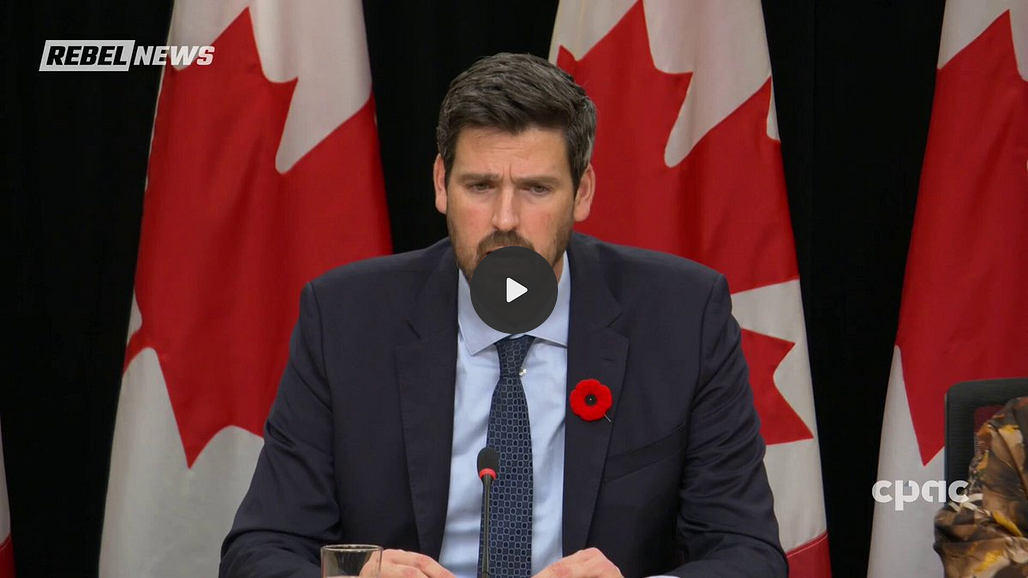
The bill would also permanently exclude those whose only underlying condition is mental illness (reversing the expansion which was due to come into force in March 2027).
But Raitt was uncertain whether an earlier decision to die should trump the patient’s evident wish to continue living.
“Yes, he is a different man with a different life now, but subjectively and objectively, he is comfortable and content,” she wrote.
“I would not believe this Bruce would want to stop living.”
“In this case, would the ‘state’ step in to provide MAiD over my objections and experience?” she asked.
Her husband, Bruce Wood (former CEO of the Hamilton Port Authority), was diagnosed with young-onset Alzheimer’s in 2016. She’s described his decline and his eventual move into long-term care in 2021.
Despite his decline, Raitt told The Honest Talk in 2024 that she still found joy in their relationship and loved him as he was.
Bill C-41 requires neither family consent for valid advance requests nor a federal process to challenge eligibility decisions.
Raitt’s account raises questions about assessing suffering in nonverbal patients, though it does not establish Bruce’s eligibility under the bill.
Despite that, polling shows there is quite a bit of support for advance requests.
A January 2026 Environics poll found 82 per cent supported advance MAID requests, rising to 90 per cent among those with an affected family member.
Separate Health Canada polling in February 2025 found 67 per cent supported advance requests and 17 per cent opposed them; neither survey assessed support for Bill C-41’s proposed safeguards.
Conservative MP Garnett Genuis has also warned the bill could allow a patient to receive MAID without being told what will happen.
“New Liberal MAID bill would allow MAID/euthanasia to be administered in certain circumstances WITHOUT informing the patient of what is about to happen,” Genuis wrote on social media.
Heather Campbell Pope, founder of Dementia Justice Canada, has also raised whether a patient in a cognitively impaired state could actually communicate their wishes.
“The safeguards don’t go far enough,” Campbell Pope told the National Post, calling for independent legal representation for patients whose advance requests are under review.

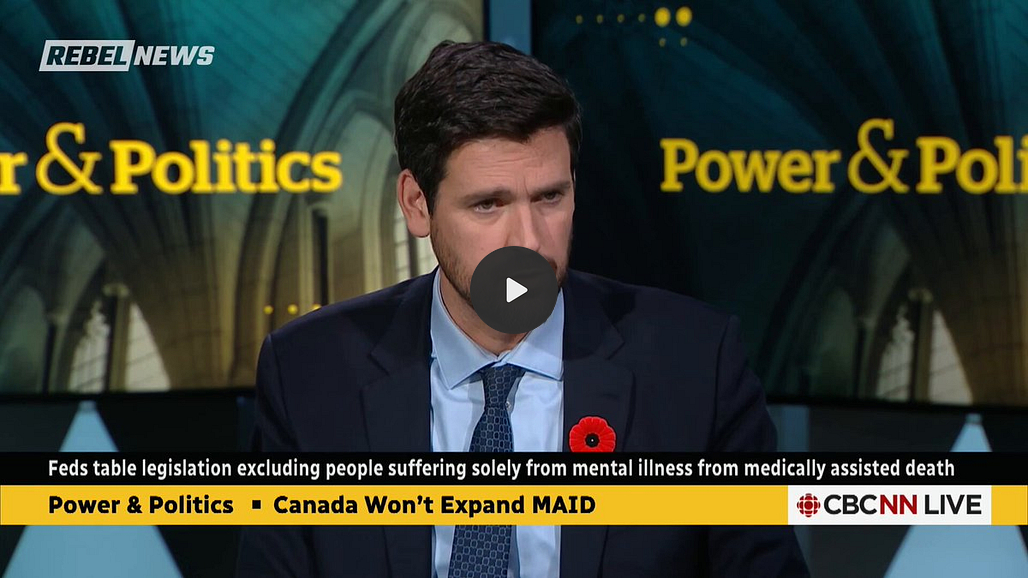
Justice Minister Sean Fraser defended the bill as preserving patients’ wishes after they lose capacity to consent.
“We will work with provinces and territories on implementation, with rigorous safeguards to protect people and ensure the decision remains voluntary and free from external pressure,” Fraser said.
Quebec already permits advance MAID requests, while Alberta has passed legislation to ban them.
Bill C-41 would create a federal criminal law exemption for qualifying advance request procedures in provinces with the requisite legislation in place. It would not automatically bring advance requests into force across the country.
Asked whether practitioners administering advance request MAID where it remained a criminal offence would themselves face a criminal charge, Fraser said, “Of course that would be treated as a criminal offence.”
The bill still has to go through Parliament before it becomes law.