

Author: Clayton DeMaine
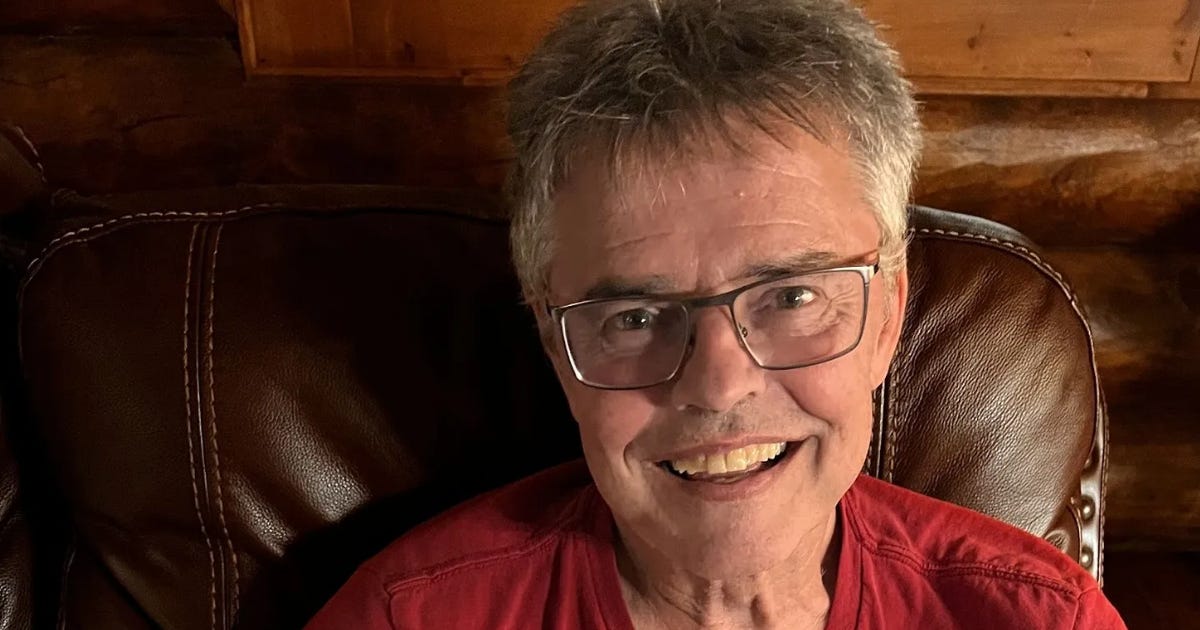
Roy Riedler suffered multiple heart attacks while on a two-month waitlist for a specialist, even as his twin brother had experienced a heart attack less than two weeks before.
A heart attack left Roy Riedler with moderate brain injuries, primarily in his occipital and frontal lobes, causing him to forget much of his past and lose the ability to identify much of his surroundings. Years after the brain injury and cardiac incident, Roy and Lynn Riedler are traveling to Mexico for psychedelic treatment they hope could help rebuild Roy’s memory and brain.

In an exclusive interview with Juno News, the Riedlers agreed that if Roy had been able to pay for an angiogram immediately instead of waiting for care in Canada’s public healthcare system, doctors could have stabilized his condition before lasting damage was done to his brain, altering the family’s lives forever.
Roy was the kind of person who exercised regularly, never used illicit drugs, and worked hard as an electrician at General Motors for over three decades.
On September 30, 2017, he learned that his twin brother, Ricky, had a heart attack.
“He was concerned because Ricky had a heart attack. And the two of them, all their lives, have always done everything together, from needing glasses to developing allergies to dogs to high blood pressure. It always happened at the same time to both of them, and they went through health problems at the same time,” Lynn Riedler told Juno News. “Roy was concerned and rightly so.”
Within a few days, Roy had called to make an appointment with his family doctor.
“He wanted to get a full heart workup and get checked, and they kind of laughed Roy off and booked him for two months to come in to see his family doctor to get the referral for a cardiac workup,” Lynn said.
Roy and Lynn had planned to travel with friends to Florida on Oct. 17 to visit a cardiac centre in the US for an immediate cardiac exam. However, on Friday, Oct. 13, Lynn woke up in the middle of the night to Roy gasping for air, having a cardiac attack.
The ambulance arrived within six minutes and “worked on him for an hour.” Lynn said she lost track of the number of times first responders had to “shock him back.”
While hospitalized for over three months, Roy was given two stents, a temporary pacemaker, and underwent neurotherapy and brain rehabilitation. He was then able to have a quadruple bypass surgery because he had “100 per cent blockage” on one artery and “multiple high percentage blockages in others.”
Reflecting on the experience, Roy said, “Had I gone to the states they would have done it right away,” after agreeing with his wife that the entire ordeal would likely have been avoided if they had private options available in Canada.
“The two-tier (healthcare) makes sense because it would have (given me) an option to go quicker. You can do the public system, which is fine. It serves all of us, but a two-tiered system gives you the option; it’ll cost you some money, whatever,” he said. “But you get things done very quickly. In the States, you can get things done quickly right away, if you have the money.”
Lynn “can’t imagine” how much Roy’s heart attack, which occurred while he was on a waitlist, has cost the Canadian taxpayer. She estimates the total ranges in the “hundreds of thousands” of dollars, given all the surgeries, therapies and services associated with his injury and recovery.
According to a Secondstreet.org study, [23,746 patients died] in Canada while waiting for diagnostic scans and surgeries in the fiscal year 2024-25. Since April 2018, over 100,876 Canadians have died while waiting to access health care.

A Fraser Institute [study] found that Canadians waited an average of 29 weeks from referral by a general practitioner to receiving care in 2024. This is more than three times the 9.3 weeks they waited in 1993. The study does not include the time patients had to wait to even see their family doctor.
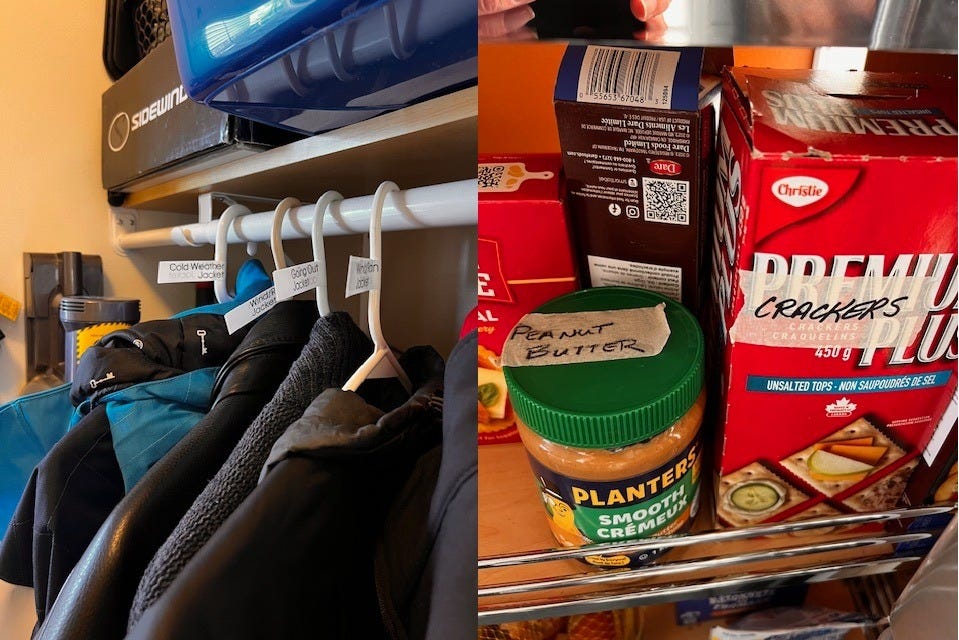
Today, Roy has difficulty recognizing basic objects such as food and clothing, but the part of his brain responsible for reading is intact, allowing him to understand what something is when labelled.
“He sees things, but his brain doesn’t tell him what he’s looking at. So that is his biggest struggle,” Lynn said, “He can read, so that’s why we have signs, because he needs to read for him to know what something is.”
When asked what impact the heart attack had on his life, Roy told Juno News it was a “tough question” because he doesn’t remember the heart attack. Most of what he now remembers from the events before and leading up to the heart attack has been told to him by family and friends.
Lynn told Juno News that he doesn’t remember most core memories from his past, like when his two sons were kids, or how he met his wife.
Riedler regularly uses memory games on his iPad, participates in memory and cognition therapies, and listens to podcasts to exercise his mind.
After listening to The Joe Rogan Experience podcast with one of his sons, Riedler discovered an alternative therapy: a psychedelic medicine called ibogaine, which guests on the podcast claimed helped them recover from traumatic brain injuries incurred during their military service.
“(Rogan) had a couple of guys on talking about this medication used as a (hallucinogenic) drug which had (positive effects on cognition) afterwards. They first applied it to veterans who had Post Traumatic Stress Disorder and it really helped them a lot,” Roy said. “These guys that have done it have shown tremendous improvements from the psychedelic, from when they had a brain injury episode. They realize it does more than just make people hallucinate.”
There are no studies on the effects of the natural plant medicine on brain injuries and conditions other than drug addiction. However, one Stanford Medicine study in 2024 on ibogaine’s effects on American special operations veterans found the drug indicated “significant improvements” in processing speed and executive functions, including problem solving and working memory.
Roy said one of the veterans he met couldn’t remember his wife’s and kids’ names after waking up one morning, which drove him to try the treatment; the results were overwhelmingly positive.
Joe Rogan has hosted several guests on his podcast who discussed ibogaine’s positive effects on treating veterans’ brain conditions, including U.S. vets Dakota Meyer and Shawn Ryan.
The two discovered a treatment clinic with a Canadian address, Ambio Life. After applying and being approved, Roy will receive treatment this summer at a Mexico centre, where he will stay with medical professionals and other patients for four to five days for the ibogaine therapy.
The treatment will cost over $7,000, but Lynn said you can’t put a price on the potential to improve Roy’s day-to-day life and memory. She says the Canadian healthcare system has left the Riedler family to recover on their own. She added it took Roy “being on his own” for him to even qualify for a personal support worker.
“We stumbled upon it. And I think that’s just one aspect of who knows what else is available, but we don’t even know about it. there isn’t a place where we could go and and access,” she said. “We’re given nothing, no direction.”
Lynn hopes there could be more research into alternative treatments for people with conditions like Roy’s brain condition in Canada. She also advocates for Canadians to have a right to try experimental treatments when conventional options fail and for a centralized hub to help families navigate all available treatment options.