

Author: Isaac Lamoureux
Alberta’s Transportation Minister Devin Dreeshen says the province is shifting gears in 2026, focusing on a long-term plan that promises better roads for both city and country, while also weighing up new rail and transit projects.
As part of that reset, Dreeshen pointed to the Green Line LRT as an example of what he described as “years and years of failure from Naheed Nenshi when he was mayor,” arguing that it took provincial intervention to finally sort out the project and begin construction.
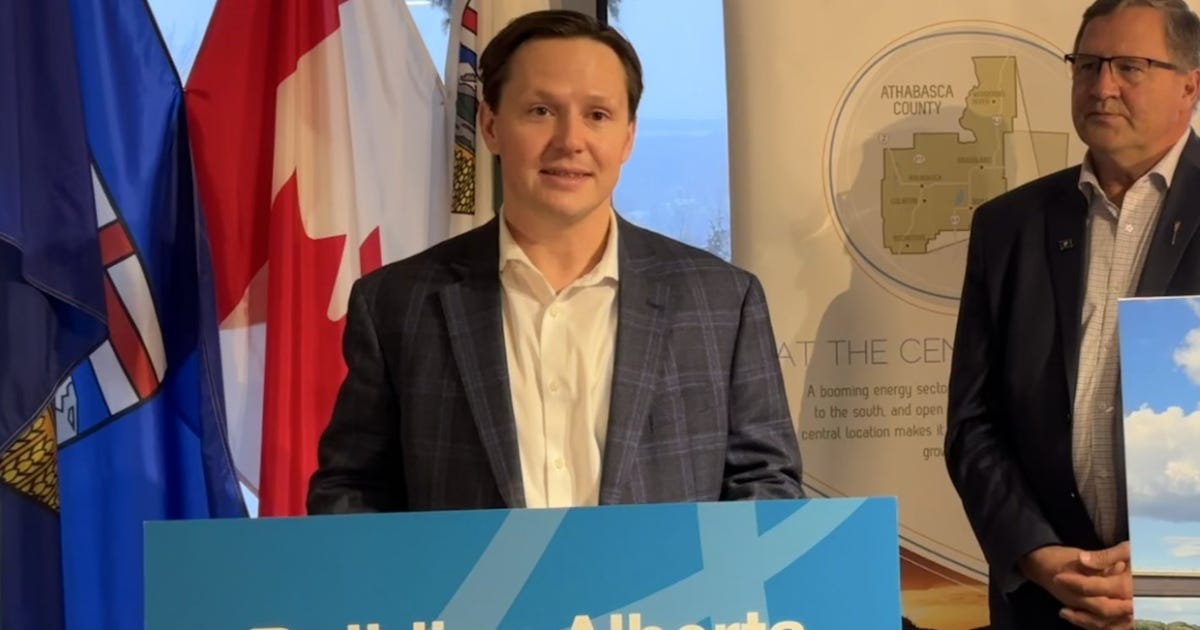
Dreeshen made the remarks in an exclusive year-end interview with True North. He cited the Green Line as an example of failed planning the province is trying to avoid as it balances urban transit, passenger rail and rural road investment.
“When Naheed Nenshi, now the NDP leader, when he was mayor, he had this big grandiose plan, got federal and provincial funding, but then obviously couldn’t design it or get it built,” Dreeshen said. “And it was just years and years and years of failure from Naheed Nenshi when he was mayor.”
Dreeshen said the province stepped in to reassess the project, focus on what was realistic, and push construction forward after nearly a decade of delays.

“It took this government to actually look at the project, to find out what was realistic and to actually get shovels in the ground and to get it built,” he said. “I think there’s about a half a dozen contracts out right now. Construction is underway. The Green Line is actually being built, finally, after ten years of delay.”
While the Green Line project received extensive media coverage during its delays and controversies, Dreeshen said progress, rather than political wrangling, is likely why the project has faded from headlines in recent months.
Dreeshen previously labelled Nenshi’s failed project a “multi-billion-dollar boondoggle.”
He similarly took aim at former prime minister Justin Trudeau’s previously proposed high-speed rail plan between Toronto and Quebec City. Dreeshen had criticized the plan in the past, citing a lack of a clear business case and heavy reliance on public subsidies.
Dreeshen said the province is preparing to release a passenger rail master plan in the new year, which will outline how major urban centres could be connected while integrating existing transit systems.
“The passenger rail plan is going to be out in the new year, of how LRT in Edmonton and Calgary can connect to one another and have the private sector build that infrastructure,” Dreeshen said.
The transportation minister said the passenger rail master plan aims to prevent repeating past planning failures by establishing clear expectations before any major capital commitments.
Dreeshen emphasized the government’s transportation strategy extends beyond major cities, highlighting that rural Alberta plays a crucial role in the province’s economy and requires ongoing infrastructure investment.
“Rural Alberta is something that we obviously care about,” he said. “The resource wealth in Alberta, the $15 billion in royalties that we collect as a province, comes from rural Alberta. But that then means we have to be investing in rural Alberta to make sure that we can get those products to market, as well as make sure that the people that live in rural Alberta have a safe road network.”
Dreeshen said managing growth while balancing competing capital demands will be one of the province’s central challenges heading into 2026.
“I think that is the big challenge going into 2026, to make sure that we can keep up with the growth as well as expand and get ready for an Alberta everybody can be proud of,” he said.