


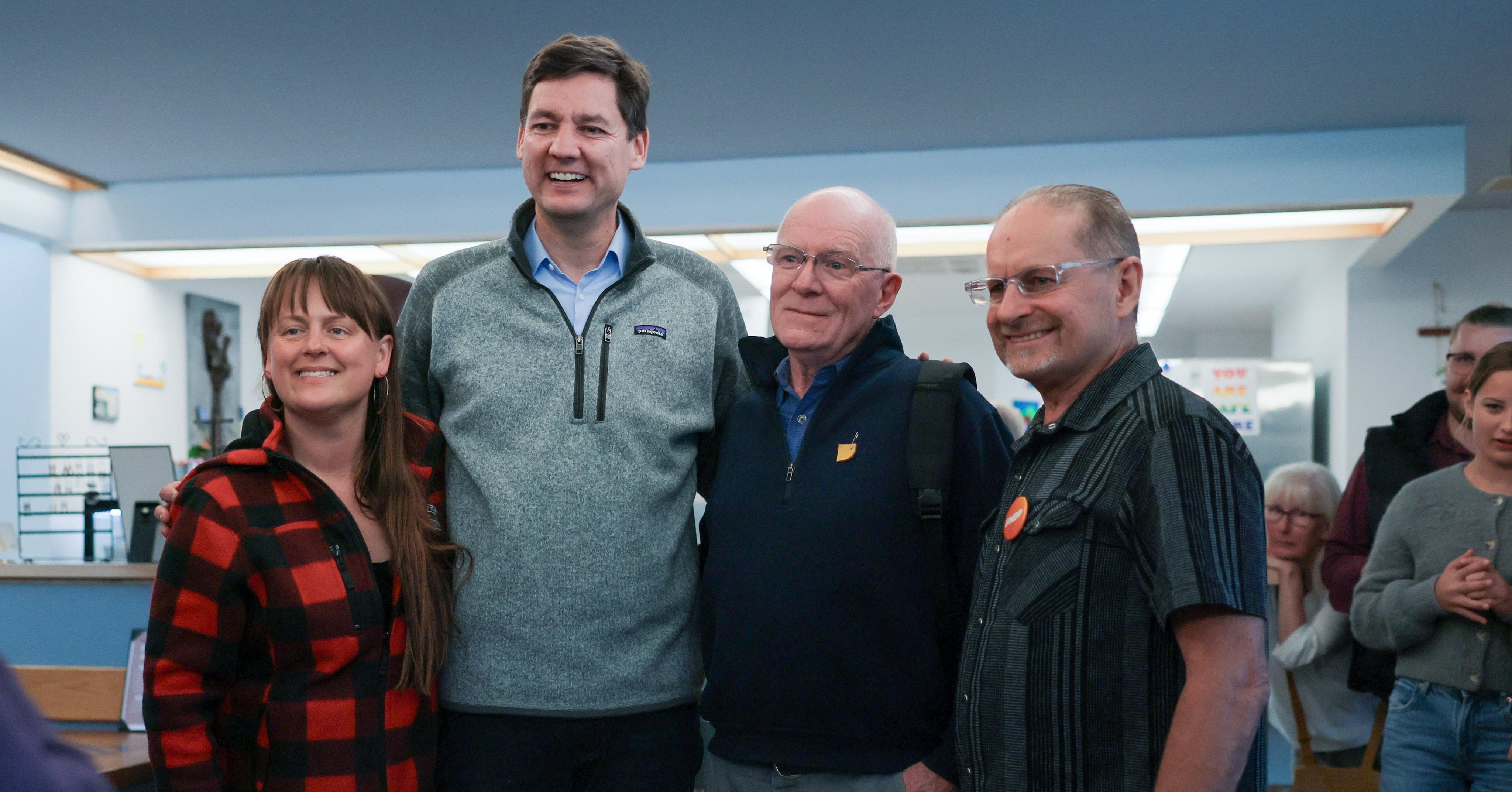
B.C. NDP Leader David Eby is campaigning on a new “millionaire tax”, but his tax hikes would start on incomes above $190,405.
Beginning in 2027, Eby proposes raising the provincial tax rate on taxable income between $190,405 and $265,545 from 16.8 per cent to 18.8 per cent.

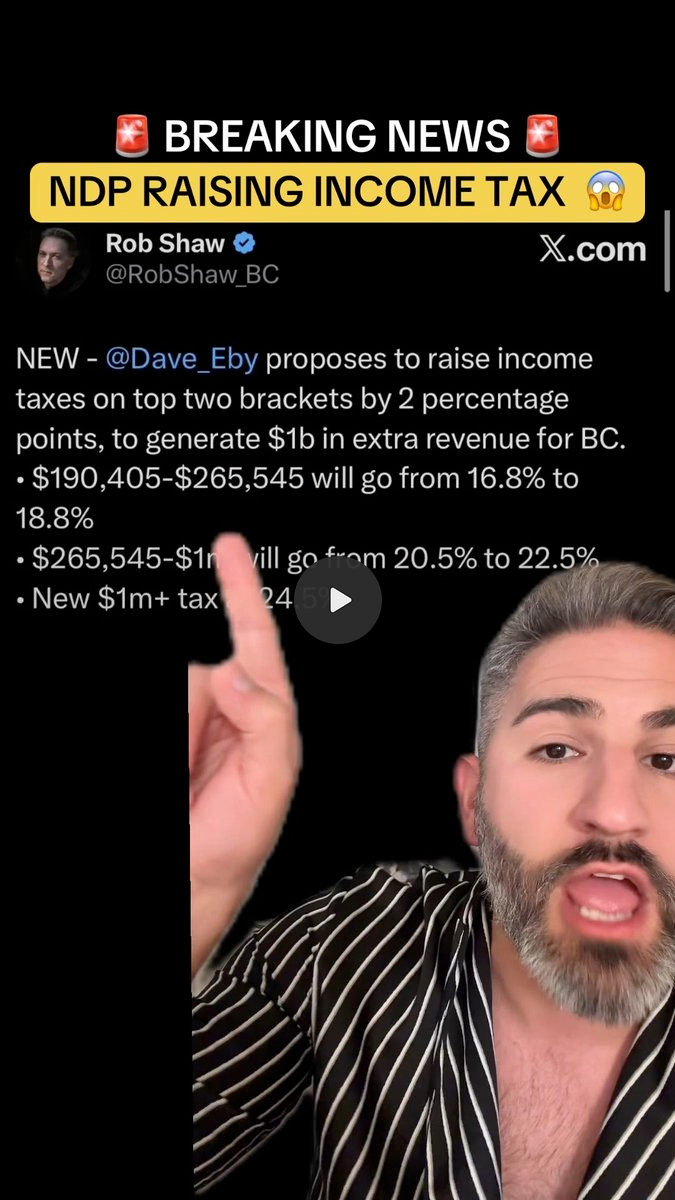
Income between $265,545 and $1 million would face a 22.5 per cent rate, up from 20.5 per cent, while income above $1 million would face a new 24.5 per cent provincial rate.
The higher rates would apply only to income within each bracket, not a taxpayer’s entire income.
University of Calgary economist Trevor Tombe said the proposal would have significant implications for B.C.’s tax competitiveness.
“This would raise BC to the highest income tax rate since 1981, and make the province (by a decent margin) the highest tax rate jurisdiction in Canada,” Tombe said. “The gap with Alberta would be back at 1990s levels.”

The NDP estimates the changes would affect 3.88 per cent of B.C. income earners and eventually raise $1 billion annually for health care and affordability measures.
“As we face an unprecedented attack on our economy and rising costs for working families, we’ll ask the wealthiest to chip in a little more,” Eby said.


The B.C. Conservatives seized on the fact that the increases begin at $190,405, arguing they could make it harder to recruit and retain doctors and specialists.
“At a time when British Columbians desperately need more doctors, David Eby has revealed his plan to drive doctors out of our province,” the party said. “Emergency rooms are still closing at night, and now he wants to tax the doctors and specialists every community is fighting to recruit.”
The Conservatives have pledged no new taxes under leader Lorne Doerkson.
The NDP, meanwhile, is campaigning on tripling the recruitment of U.S. healthcare workers and says more than 800 have accepted jobs in B.C.

The Canadian Federation of Independent Business also criticized the proposal, saying nearly half of B.C. small businesses surveyed want personal income tax cuts prioritized over increases.
CFIB also pointed to the province’s decision to pause inflation indexation of income tax brackets through 2030, arguing it means taxpayers will face a “hidden inflation tax increase” as incomes rise while brackets remain frozen.
The business group said B.C. is facing an “entrepreneurial drought,” with business exits outpacing entries, and called on all parties to focus on reducing the cost of doing business to reverse the trend.


B.C. already has one of North America’s highest top income tax rates. A March 2026 Fraser Institute study ranked its current 53.5 per cent combined rate fourth-highest among 61 Canadian and U.S. jurisdictions — and 16.5 points above neighbouring Washington and Alaska.
That comparison predates Eby’s proposed increase from 20.5 per cent to 24.5 per cent.
B.C. also ranked last among eight western jurisdictions examined in 2024 GDP per capita, at roughly $75,300.
Washington generated roughly $147,300 in GDP per person in 2024 — nearly twice B.C.’s $75,300 — while California, Alaska, Oregon, Alberta, Montana and Idaho also outperformed B.C. U.S. figures are converted to Canadian dollars using the Bank of Canada’s annual average exchange rate.
B.C. also trailed on income. Fraser Institute data found its 2019 median employment income was $34,008 versus $47,307 in Alberta, while Vancouver ranked 48th of 59 western metropolitan areas, nearly $24,000 behind Seattle.

The proposed increases would also follow tax changes already introduced by the Eby government.
Budget 2026 increased B.C.’s lowest provincial income-tax rate from 5.06 per cent to 5.60 per cent and froze personal income-tax brackets at 2026 levels through 2030 by pausing inflation indexation.
The budget also proposed extending the PST to professional services, but the government paused that expansion in September amid economic uncertainty.
High marginal tax rates can affect incentives to work, invest and undertake entrepreneurial activity and influence where highly skilled workers choose to live.
Liberals are so devoid of ideas that the solution to a problem is to increase whatever failed measures caused it. Have an overtaxed electorate? Tax them more. Similarly, the federal government is responsible for the ongoing housing crisis, and not only did they neglect to reduce immigration to a manageable level, but they're talking about increasing it. Stupidity, borne from arrogance and supported by the intellectual lightweights that make up their electorate, are facilitating outcomes of a failed nation..
Yes he is.