



The Eby government faces potential scandal over a plan to transfer 400 Crown land parcels to First Nations, potentially leaving forestry companies without compensation for lost logging rights.
The proposals were not disclosed in the NDP’s election platform.
A confidential September 10 briefing, obtained by Northern Beat columnist Rob Shaw, outlines proposed changes to the Forest Act that were absent from the NDP’s election platform.
“Presently, there are approximately 400 parcels committed for transfer through Treaty and reconciliation agreements,” the document states.
The proposals could eliminate compensation for forestry losses of up to five per cent or allow payouts to be delayed indefinitely.
Forestry companies hold harvesting rights on Crown land, meaning transfers to First Nations can force the province to cancel or reduce those rights, potentially triggering compensation payments.

With B.C. facing a projected $13-billion deficit, the government identified compensation costs as an obstacle to land transfers.
“Given ongoing fiscal constraints, these provisions create substantial barriers to completing land returns,” the briefing states.
Forestry companies were required to sign non-disclosure agreements before receiving briefings, limiting public discussion ahead of the October 24 election.

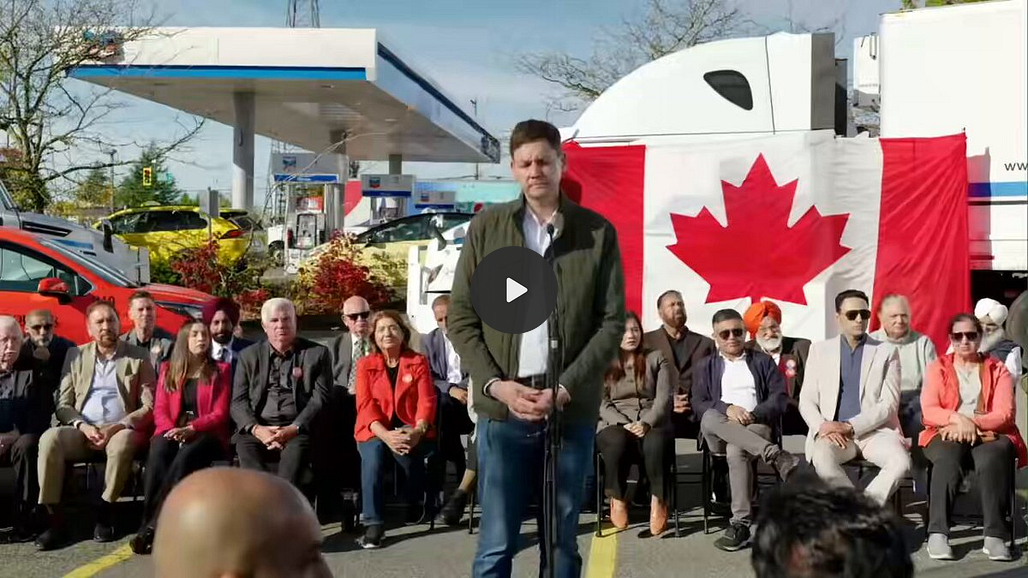
Premier David Eby defended the proposals Thursday, arguing they would honour commitments to First Nations while saving taxpayers money.
“It provides a little bit of relief… for taxpayers,” Eby said during a campaign announcement in Surrey.
He also rejected suggestions the changes would undermine forestry jobs, arguing that transferring logging rights to First Nations and local groups could help keep timber processing in communities.
But Council of Forest Industries president Kim Haakstad criticized the prospect of companies absorbing the costs.
“Asking forest companies to absorb that is generally unfair,” she said.
The NDP maintains only about half of the 400 parcels could affect forestry operations, although their locations and combined acreage remain undisclosed.
According to Northern Beat, B.C. has committed 135,425 hectares under treaties, but the total size of the 400 parcels remains unknown, including whether 14 parcels transferred to West Moberly First Nations are among them.
A 2025 forestry briefing warned that separate land transfers would reduce timber harvesting, but did not assess the 400 parcels.
Meanwhile, the NDP insists cabinet authorized consultations, not legislation, and says proposed legislation for spring 2027 was shelved when the snap election was called September 22.
“These were draft ideas from the ministry,” the NDP told Northern Beat.
The party also noted that some parcels may already have been publicly identified through agreements involving the Lake Babine, K’ómoks and Cheslatta Carrier First Nations.
“Making agreements with First Nations is how the government resolves outstanding land claims and brings certainty to the land base,” the NDP said.
The controversy follows a previous NDP agreement to transfer roughly six square kilometres of land and $104 million to the shíshálh Nation, with details withheld until after the 2024 election.
Conservative candidate Scott McInnis says the lack of transparency is disturbing.
“This is nothing new for this government to make these very important decisions around Crown land and First Nations and not tell anybody about it,” he said.
“So I am shocked that… David Eby and the NDP have not learned their lesson that the public has zero appetite for reconciliation which is done behind closed doors.”
The Forest Ministry did not quell those concerns.
“Due to the ongoing election campaign, government is in a temporary caretaker mode, and communications are limited to critical health and public safety information,” the Forest Ministry told Juno News in an emailed statement.
“Thank you for understanding.”
A Juno News review found roughly 80 per cent of B.C. is subject to active Indigenous claims, while just 5 per cent is covered by settled treaties.