

Author: Quinn Patrick
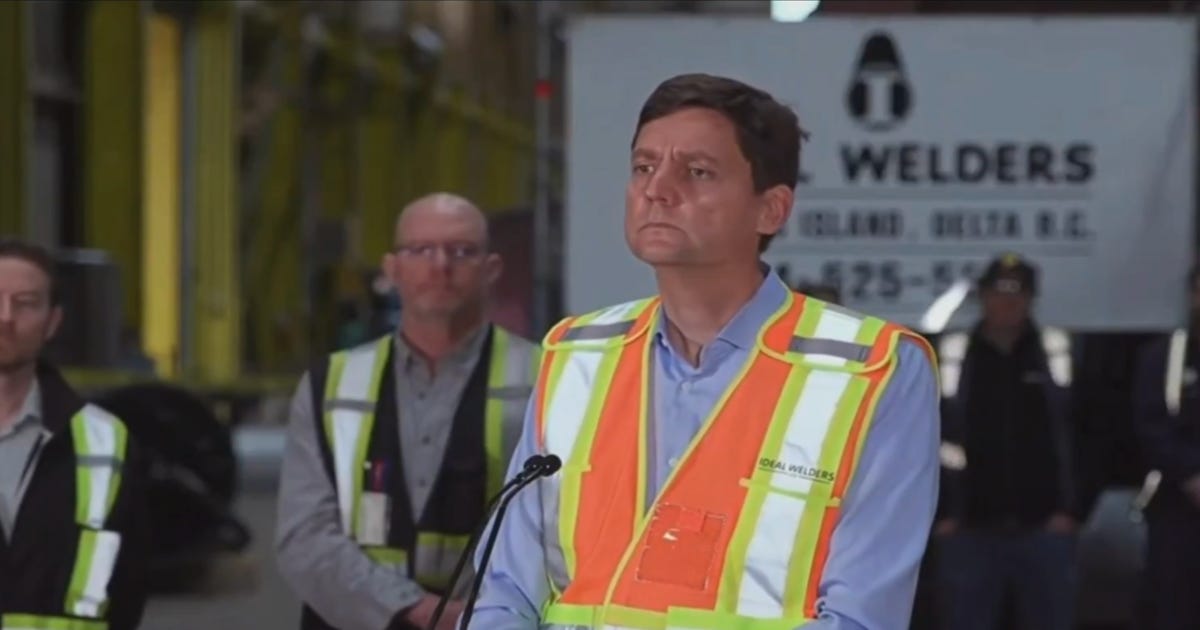
B.C. Premier David Eby said that if Alberta were to get a reduced price for carbon emissions, it would make his province less competitive, casually acknowledging the toll it has taken on the Canadian economy.
He made the comments after being asked by Prime Minister Mark Carney and Alberta Premier Danielle Smith discussing a potential route for an oil pipeline that would run through B.C. to get to the northwest coast for shipment to Asian markets.

“I understand that there were negotiations about the national carbon price with Alberta and that there may have been a decision made to move forward with a price of $130 a tonne. This is a big deal for British Columbia and the rest of Canada because in the rest of Canada, we have a nationally mandated carbon price of $170. It seems as though there’s a possibility that this policy is being adjusted for a single province,” said Eby on Wednesday.

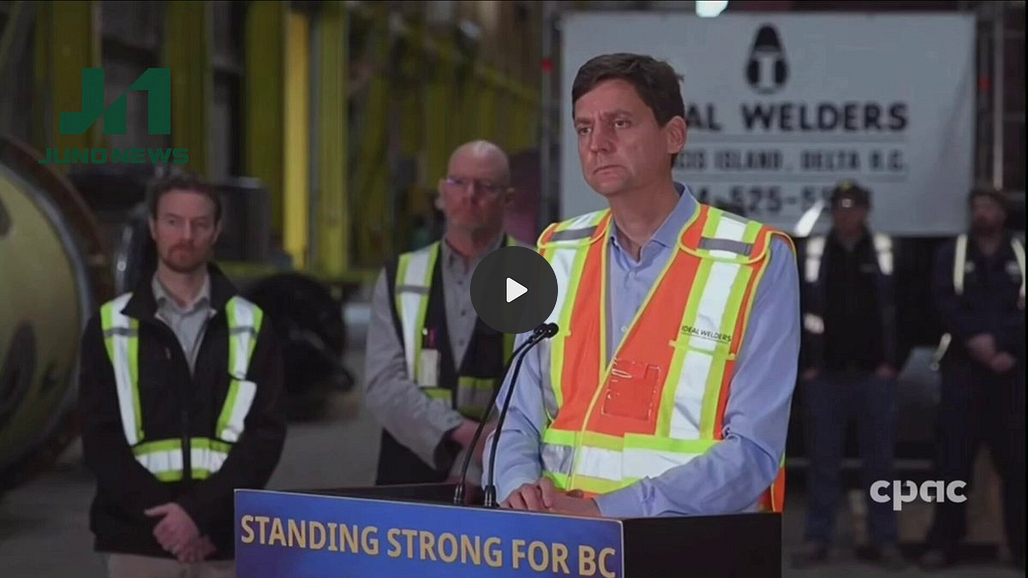
“We are in direct competition with Alberta on certain projects. We will not be in a competitive position if Alberta has a special federal carbon price the rest of us don’t have access to in the rest of Canada.”
Ottawa has yet to make any formal announcements about what has been discussed with the Alberta government, and whether a preferential reduction will be granted.
Eby has previously endorsed the industrial carbon tax, saying in a March 2025 statement that it en
sured that “big industrial polluters pay their fair share,” adding that it also incentivized “industry to adopt lower-carbon technologies while maintaining their competitiveness.”

The Liberals’ Budget 2025 outlined plans to “engage” with provinces on a multi-decade schedule of rising carbon taxes for large emitters, beginning with the existing rate of $170 per tonne, with further increases to 2050 still to be determined.
The budget states that industrial carbon pricing will achieve “more emission reductions than any other policy, with negligible impacts on affordability.”
However, a number of industry leaders have noted that industrial costs are typically passed down the supply chain, something Eby noted himself during his latest press conference.
“We do need to make sure that there’s a level playing field for everybody in Canada and it’s not just one province that gets special treatment that results in a competitive advantage for them and a disadvantage for the rest of Canada,” he said.
The B.C. premier went on to say that he will ensure that his province’s projects, some of which have proponents that have reached the final investment decision phase, “get the same amount of attention as the proposed Alberta pipeline project that still has no route and no proponent.”