Author: Clayton DeMaine
Medical experts are sounding the alarm over the push to expand assisted suicide to the mentally ill, warning that the government would kill countless people who could otherwise live and that the program fails to screen for pre-existing suicide risk factors.
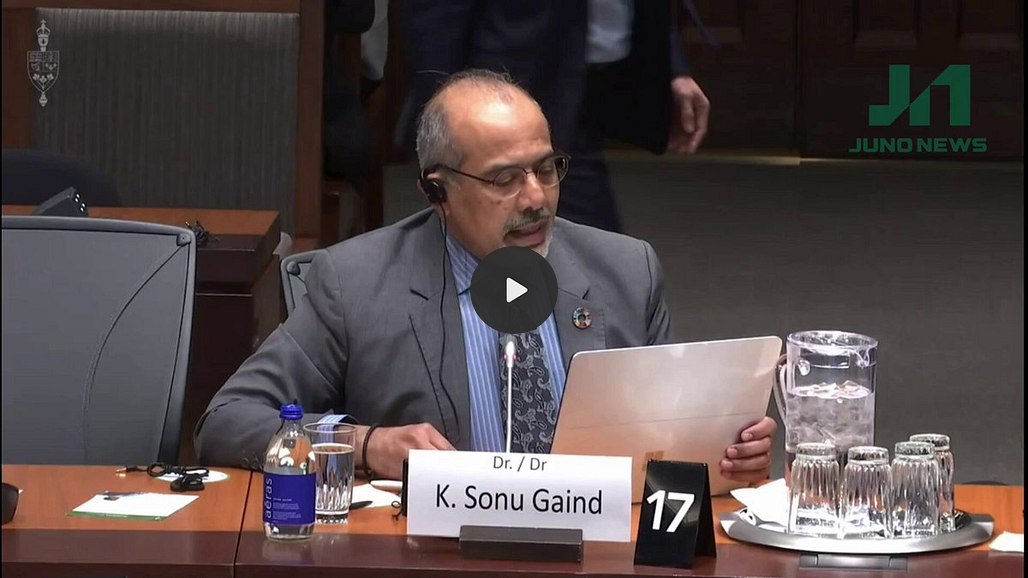
During a special committee meeting on the government’s assisted suicide program, also known as Medical Assistance in Dying (MAiD), Dr. Sonu Gaind, a full clinical professor at the University of Toronto’s department of psychiatry and addiction, and Dr. Trudo Lemons, chair of health law and policy at the same school, dismantled legal arguments and “reassurances” from the program’s advocates.
Juno News is a reader-supported publication. To receive new posts and support my work, consider becoming a free or paid subscriber.
In his opening remarks to the committee on the eligibility of persons whose sole underlying medical condition is mental illness, Gaind exposed flaws in the euthanasia program’s data tracking, as it doesn’t screen for suicidal risk factors. He stated there’s evidence showing “strong suicide risk factors” were fueling “Track 2 MAiD,” which allows those whose death is not “foreseeable” to access state-facilitated suicide.

He warned that more women than men are accessing “Track 2 MAiD,” noting that women are more likely to attempt suicide than men, but men are more likely to complete their suicide attempts.
He said these problems will only worsen if state-facilitated medical suicide is provided for people with mental illness and addiction issues.
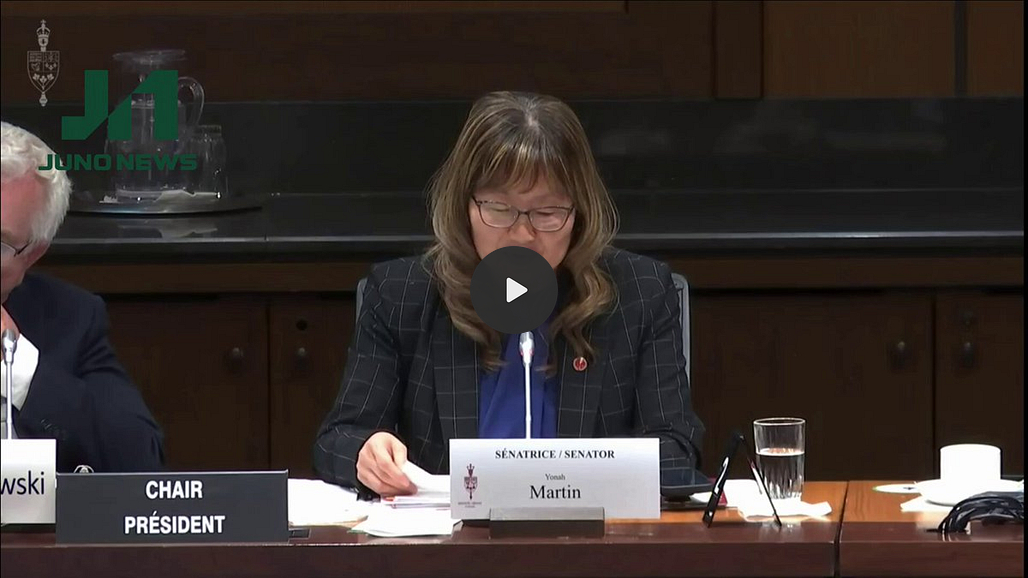
Gaind noted that several international groups monitoring Canada have warned against including mental illness as a sole criterion for medical suicide access. He cited a statement from the International Association for Suicide Prevention, which concluded that due to the inability to predict who will have a poor or hopeless prognosis and who will substantially improve with or without treatment for mental illness, Canada “should not allow psychiatric euthanasia.“

Under the assisted suicide program, Track 1 is for individuals whose natural death is reasonably foreseeable, allowing for a faster assessment process and the option to waive final consent if the patient risks losing mental capacity. In contrast, Track 2 is for those with a serious and incurable condition whose death is not reasonably foreseeable.
“This is not about partisanship. This is about evidence. In contrast, the same people who wrongly claimed in 2024 and earlier in 2023 that we were ready, then are again claiming we are ready now, the accumulated evidence shows they are even more wrong now than they were in the past,” Gaind said.
“On one hand, we have increasing evidence that we’re not ready to safely provide psychiatric euthanasia. On the other hand, you may get a consensus of ideologues ignoring that evidence and proposing ways to provide MAiD for mental illness anyway. That is not readiness. That’s snake oil.”

Dr. Mona Gupta, a full clinical professor in the Department of Psychiatry and Addiction at the Université de Montréal and who advises clinicians assessing euthanasia applicants, said clinicians are ready to roll out assisted suicide for those with mental disorders.
She stated that doctors have lengthy conversations with applicants, request medical records, often consult with multiple doctors, including those currently treating the patient, and claim they would wait until an individual was not in “a state of crisis” before providing them with assisted suicide.
Giant blasted her “reassurances,” stating that reassurances are neither “evidence” nor “safeguards” against putting the wrong person to death.
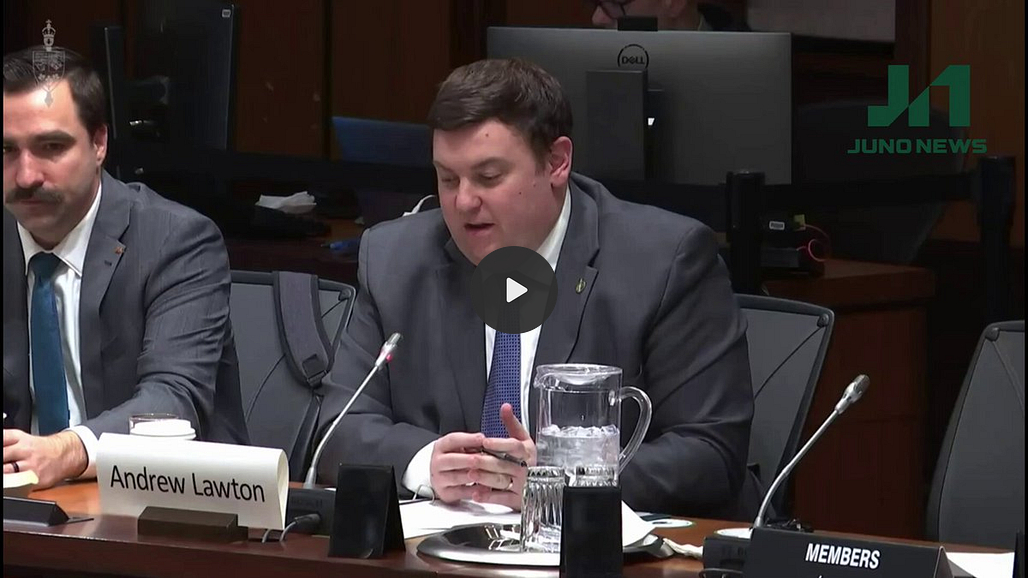
After being grilled by Conservative MP Andrew Lawton, Gupta, who is an advocate for the program, revealed that individuals with major depressive disorder and eating disorders “could potentially qualify” for the sole reason someone accesses state-funded medical suicide if the program is expanded as scheduled in 2027.
Jocelyn Downie, professor emeritus of law and medicine at Dalhousie University, argued that Canadian courts, including the Supreme Court of Canada, already recognize mental health as a “grievous and irremediable condition,” meeting both qualifications for the medical dying program. She said banning assisted suicide for mental illness was unconstitutional and discriminatory.
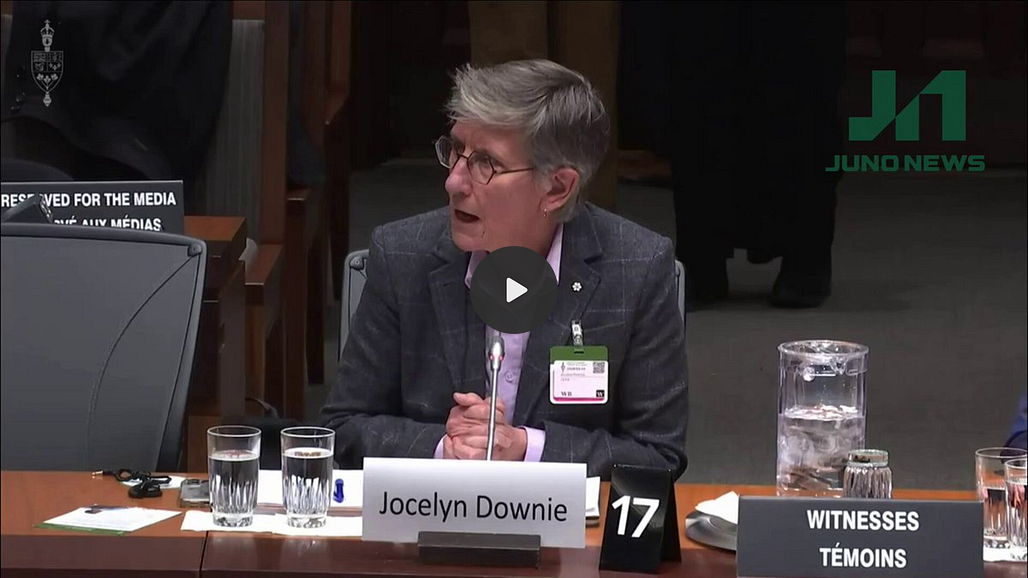
Despite this, Lemmens, a medical law professor at the University of Toronto, completely rejected Downie’s claims and noted that the cases she cited specifically revolved around end-of-life dying, in other words, “Track 1 MAiD” and had nothing to do with mental illness.