


Author: Melanie Bennet
A policy proposal to oppose the federal “conversion therapy ban” sparked a heated debate at the Conservative Party of Canada’s national convention this weekend, passing an initial vote but failing final confirmation. The split reveals a deep strategic disagreement among conservatives who are united on stopping childhood transition and defending parental rights.
For Linda Blade, the outcome wasn’t surprising.

Blade led her Electoral District Association as policy chair and attended the party’s 2023 convention in Quebec City. She says the resolution that failed in Calgary suffered from structural problems.
“Two parts of this policy don’t belong together,” Blade told Juno News. “The part that comes after the underlined section deals with economic policy, and the other parts deal with social policy.”
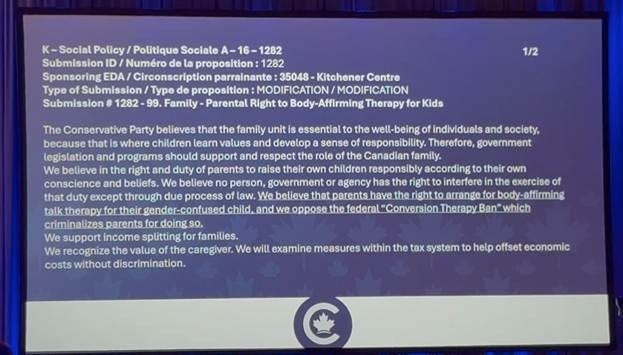
But her real concern was with the underlined sections. “There is confusion about the reference to the federal ‘Conversion Therapy Ban,’ which I presume is a reference to Bill C-4,” she said.
Blade argues that the confusion stems from the law itself.
“The entire thing is confusing due to the fact that this deeply flawed federal legislation lumps LGBTQ+ under one umbrella,” she said. “It is inherently contradictory, because LGB and TQ+ are distinct and view ‘conversion therapy’ in opposite ways.”
She says people often confuse the meaning. “If a person is LGB, this is a sex-based situation. ‘Conversion therapy’ for these kids means that someone is trying to talk them out of being lesbian or gay.”
In cases of confusion over sex, the meaning reverses. “If a person is TQ+, this is a gender-based situation. ‘Conversion therapy’ for these kids means that someone is trying to talk them out of transitioning away from homosexuality. ‘Transgender affirmation’ in that context is conversion therapy for those in the first.”
Blade believes the language of the resolution wasn’t clear on that contradiction. “This policy submission lacks clarity, probably because the legislation that it purports to address is itself nonsensical and internally contradictory,” she said.

Blade doesn’t believe that the vote weakens the party’s stance. “I believe that the CPC is rock solid on supporting parental rights and on being opposed to medically interfering with the healthy body of a minor,” Blade said.
Those policies remain in place from 2023, including Item 92 of the CPC Policy Declaration rejecting life-altering medical interventions for minors experiencing gender dysphoria.


While Blade viewed the failure as procedural, parental rights activist Chris Elston, who is popularly known as Billboard Chris, saw it as a failure to uphold conservative principles.
Elston attended the convention and emerged as one of the fiercest critics of the outcome. He has spent years travelling the world opposing childhood transition and says the Calgary vote confirmed his fears about Conservative leadership.
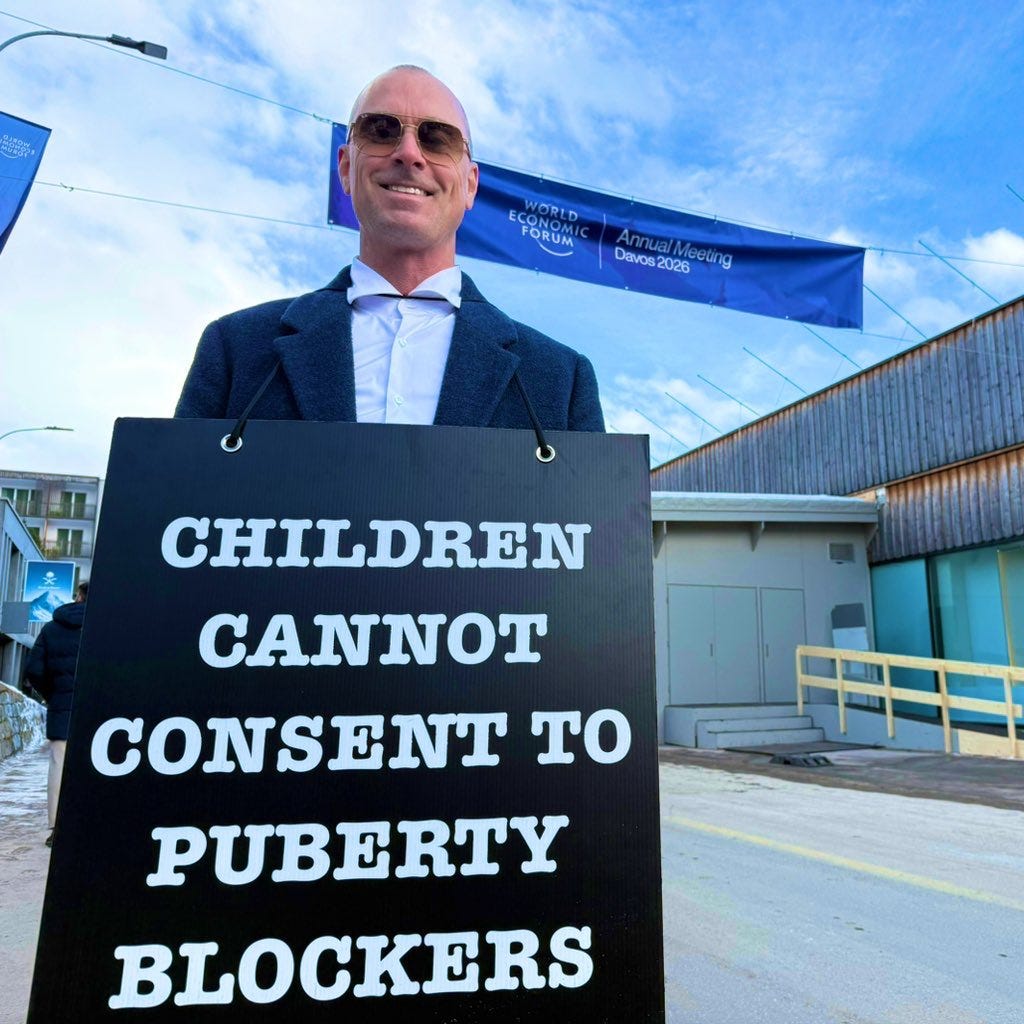
(Source: X)
In an interview with Rebel News, Elston said that Liberal conversion therapy legislation was deliberately designed to silence opposition to child transition.
“Bill C-4 made it a crime to make a gay person straight,” he said. “Everyone agrees with that. But they use the sexual orientation component to buy support for the real reason these bills are created, which is to stop people from helping children to feel comfortable with their sex.”
Elston believes passing the amendment would have been politically advantageous and he blamed party leadership for the failure. “The leadership of the Conservative Party encouraged their people to vote against it. This is on Pierre Poilievre.”
Elston provided a statement to Juno News stating that he doesn’t believe the policy resolution risked harming gay people.
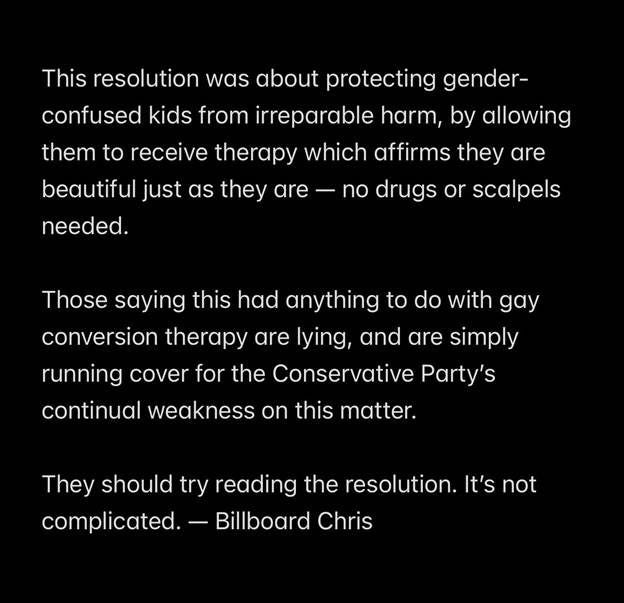
On social media, Elston escalated his criticism, calling for Conservative MP Tamara Kronis to be removed from the party.

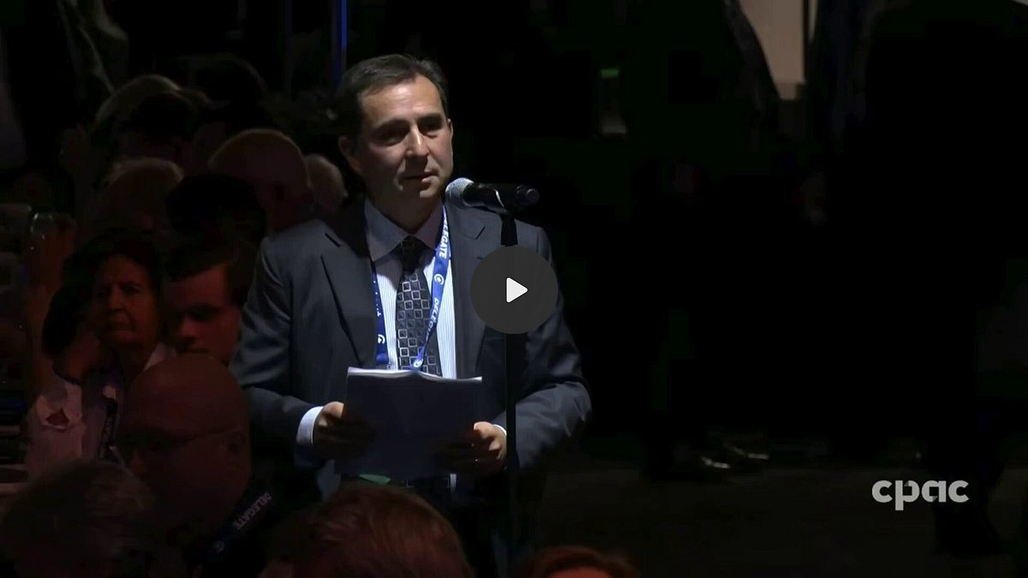
For Shannon Boschy, the reaction to the vote has been deeply frustrating. Boschy joined his local Electoral District Association in Ottawa after his own daughter was transitioned at the Ottawa Children’s Hospital. He has spent years advocating for parental rights protections.
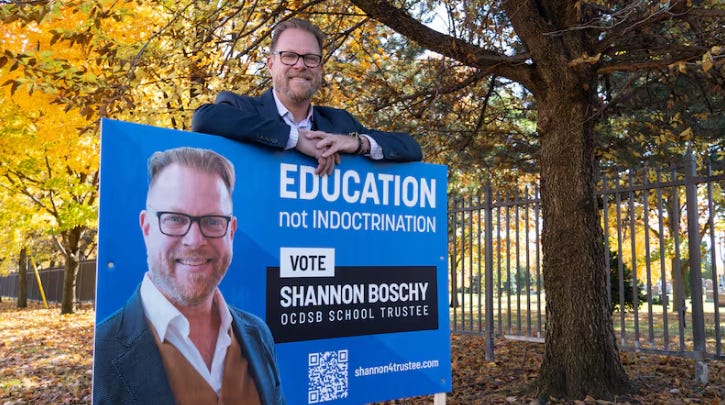
(Source: Shannon Boschy)
He was relieved when the amendment failed. “Conservatives or people on the right are grossly misinterpreting the failure of the resolution to pass,” Boschy told Juno News.
He believes the move was tactical. “Blanket rejecting the conversion therapy bill risks a narrative that NGOs like Egale, Canadian Anti-Hate, and teachers’ unions will exploit very effectively,” he said. “It wedges conservatives as homophobic.”
“That’s why the wording needs to be clear,” Boschy said.
He agrees with Kronis that the amendment was “too controversial,” but says the controversy came from imprecision of language rather than a failure of principle. “There were numerous proposals that came out of EDAs across the country dealing with parents and the gender issue,” he said. “Many of them were very poorly worded.”
Boschy believes more people with firsthand experience need to be involved in policy drafting so that parental-rights policy “stands on its own.” He says he speaks as a private citizen and father, not for the party. Still, the fallout troubles him.
“We need to be united,” he said.
James Decker also opposed the resolution based on his own personal experiences. As gay conservative from Alberta, Decker has spent years warning about the impact of gender policies on gay youth. He has met with Premier Danielle Smith to advocate for sensible approaches to trans that don’t harm gay kids.
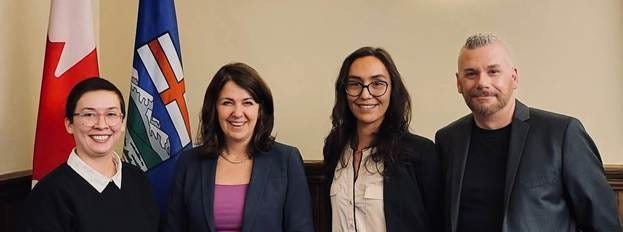
“At first glance, I was shocked the resolution didn’t pass,” he told Juno News. “But when I looked closer at the wording, I realized it would lift the ban on gay conversion therapy.”
That line was non-negotiable for him. “When I was a boy, my father sent me to gay conversion therapy,” Decker said. “It traumatized me.”
“Yes, I understand the need for parents to be involved in their children’s lives,” he said. “And the need to protect children from making life-altering decisions.”
“But lifting a ban on conversion therapy altogether opens the door to converting feminine boys or masculine girls into something they may or may not grow up to be,” he said.
Decker recalls his own childhood confusion. “I thought I was a little girl. I grew up and realized I am a gay man. No amount of therapy as a child changed that.”
He believes federal law needs revision. “I feel the CPC should look at Bill C-4 again and rework it so parents do not go to jail or have their children taken away for not immediately affirming their child’s new identity,” he said.
“The strategy of affirm, affirm, affirm is clearly not working out,” he said, pointing to lawsuits and detransitioner stories.
“When conversion therapy was banned, an awful lot of woke identity politics was lumped in there,” Decker said. “That is now being weaponized against parents and families.”
In the end, Decker came to the same conclusion as Blade and Boschy. “I understand the premise behind the proposed bill,” he said. “But the wording was, in my opinion, unclear.”
The disagreement exposes how deeply this particular issue cuts, with conservatives often talking past one another despite shared concerns. That said, Poilievre won the leadership vote with a record 87 percent. If Poilievre wants to maintain his broad approval, he may want to tackle parental rights and gender transition issues with more clarity.
Blade led her Electoral District Association as policy chair and attended the party’s 2023 convention in Quebec City. She says the resolution that failed in Calgary suffered from structural problems.
“Two parts of this policy don’t belong together,” Blade told Juno News. “The part that comes after the underlined section deals with economic policy, and the other parts deal with social policy.”
But her real concern was with the underlined sections. “There is confusion about the reference to the federal ‘Conversion Therapy Ban,’ which I presume is a reference to Bill C-4,” she said.
Blade argues that the confusion stems from the law itself.
“The entire thing is confusing due to the fact that this deeply flawed federal legislation lumps LGBTQ+ under one umbrella,” she said. “It is inherently contradictory, because LGB and TQ+ are distinct and view ‘conversion therapy’ in opposite ways.”
She says people often confuse the meaning. “If a person is LGB, this is a sex-based situation. ‘Conversion therapy’ for these kids means that someone is trying to talk them out of being lesbian or gay.”
In cases of confusion over sex, the meaning reverses. “If a person is TQ+, this is a gender-based situation. ‘Conversion therapy’ for these kids means that someone is trying to talk them out of transitioning away from homosexuality. ‘Transgender affirmation’ in that context is conversion therapy for those in the first.”
Blade believes the language of the resolution wasn’t clear on that contradiction. “This policy submission lacks clarity, probably because the legislation that it purports to address is itself nonsensical and internally contradictory,” she said.
Blade doesn’t believe that the vote weakens the party’s stance. “I believe that the CPC is rock solid on supporting parental rights and on being opposed to medically interfering with the healthy body of a minor,” Blade said.
Those policies remain in place from 2023, including Item 92 of the CPC Policy Declaration rejecting life-altering medical interventions for minors experiencing gender dysphoria.
While Blade viewed the failure as procedural, parental rights activist Chris Elston, who is popularly known as Billboard Chris, saw it as a failure to uphold conservative principles.
Elston attended the convention and emerged as one of the fiercest critics of the outcome. He has spent years travelling the world opposing childhood transition and says the Calgary vote confirmed his fears about Conservative leadership.
(Source: X)
In an interview with Rebel News, Elston said that Liberal conversion therapy legislation was deliberately designed to silence opposition to child transition.
“Bill C-4 made it a crime to make a gay person straight,” he said. “Everyone agrees with that. But they use the sexual orientation component to buy support for the real reason these bills are created, which is to stop people from helping children to feel comfortable with their sex.”
Elston believes passing the amendment would have been politically advantageous and he blamed party leadership for the failure. “The leadership of the Conservative Party encouraged their people to vote against it. This is on Pierre Poilievre.”
Elston provided a statement to Juno News stating that he doesn’t believe the policy resolution risked harming gay people.
On social media, Elston escalated his criticism, calling for Conservative MP Tamara Kronis to be removed from the party.
For Shannon Boschy, the reaction to the vote has been deeply frustrating. Boschy joined his local Electoral District Association in Ottawa after his own daughter was transitioned at the Ottawa Children’s Hospital. He has spent years advocating for parental rights protections.
(Source: Shannon Boschy)
He was relieved when the amendment failed. “Conservatives or people on the right are grossly misinterpreting the failure of the resolution to pass,” Boschy told Juno News.
He believes the move was tactical. “Blanket rejecting the conversion therapy bill risks a narrative that NGOs like Egale, Canadian Anti-Hate, and teachers’ unions will exploit very effectively,” he said. “It wedges conservatives as homophobic.”
“That’s why the wording needs to be clear,” Boschy said.
He agrees with Kronis that the amendment was “too controversial,” but says the controversy came from imprecision of language rather than a failure of principle. “There were numerous proposals that came out of EDAs across the country dealing with parents and the gender issue,” he said. “Many of them were very poorly worded.”
Boschy believes more people with firsthand experience need to be involved in policy drafting so that parental-rights policy “stands on its own.” He says he speaks as a private citizen and father, not for the party. Still, the fallout troubles him.
“We need to be united,” he said.
James Decker also opposed the resolution based on his own personal experiences. As gay conservative from Alberta, Decker has spent years warning about the impact of gender policies on gay youth. He has met with Premier Danielle Smith to advocate for sensible approaches to trans that don’t harm gay kids.
“At first glance, I was shocked the resolution didn’t pass,” he told Juno News. “But when I looked closer at the wording, I realized it would lift the ban on gay conversion therapy.”
That line was non-negotiable for him. “When I was a boy, my father sent me to gay conversion therapy,” Decker said. “It traumatized me.”
“Yes, I understand the need for parents to be involved in their children’s lives,” he said. “And the need to protect children from making life-altering decisions.”
“But lifting a ban on conversion therapy altogether opens the door to converting feminine boys or masculine girls into something they may or may not grow up to be,” he said.
Decker recalls his own childhood confusion. “I thought I was a little girl. I grew up and realized I am a gay man. No amount of therapy as a child changed that.”
He believes federal law needs revision. “I feel the CPC should look at Bill C-4 again and rework it so parents do not go to jail or have their children taken away for not immediately affirming their child’s new identity,” he said.
“The strategy of affirm, affirm, affirm is clearly not working out,” he said, pointing to lawsuits and detransitioner stories.
“When conversion therapy was banned, an awful lot of woke identity politics was lumped in there,” Decker said. “That is now being weaponized against parents and families.”
In the end, Decker came to the same conclusion as Blade and Boschy. “I understand the premise behind the proposed bill,” he said. “But the wording was, in my opinion, unclear.”
The disagreement exposes how deeply this particular issue cuts, with conservatives often talking past one another despite shared concerns. That said, Poilievre won the leadership vote with a record 87 percent. If Poilievre wants to maintain his broad approval, he may want to tackle parental rights and gender transition issues with more clarity.