

Author: Cosmin Dzsurdzsa
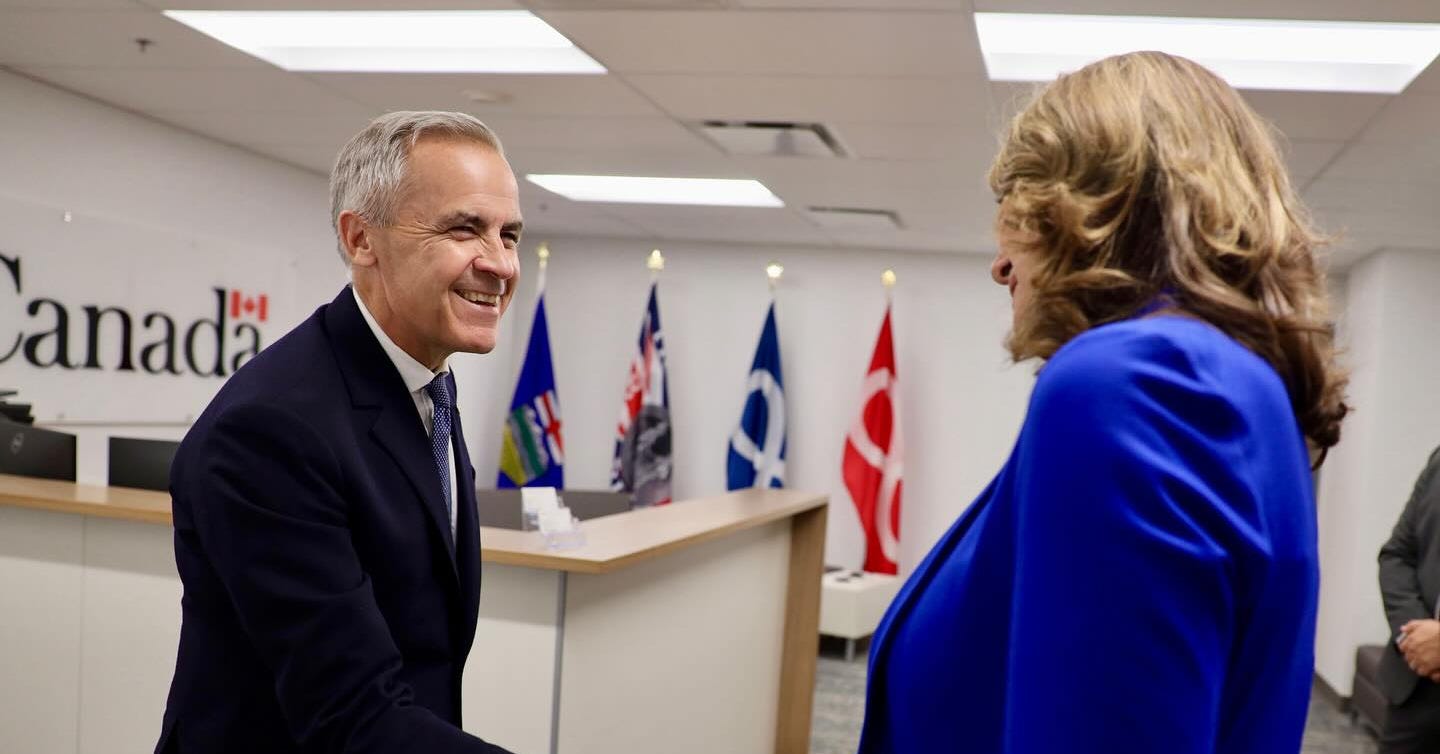
Canada’s energy sector is losing faith that a new oil pipeline will receive fast-tracked federal approval anytime soon, despite Prime Minister Mark Carney’s assurance.
A new report from ATB Cormark Capital Markets found that fewer industry players now believe a pipeline project will be added to the federal government’s list of nationally significant developments eligible for a streamlined review.
The survey, conducted between March 18 and April 1, gathered responses from executives at 24 energy services firms, 22 oil and gas producers and 17 institutional investors.
In the latest results, 46 per cent of respondents said they believe it is likely or very likely that a new pipeline will be designated as being in the national interest. That marks a decline from 52 per cent who expressed that view in a similar survey conducted in late summer last year.
The findings point to growing skepticism within the sector, with some respondents voicing frustration over the pace of federal action on major energy infrastructure.

Several industry participants said they want clearer direction and quicker approvals from Ottawa, with some calling for less discussion and more tangible progress on project development.
At the same time, sentiment toward the federal government’s broader approach to energy development appears to be improving modestly.
The survey found 48 per cent of respondents believe the Liberal government will actively support expanding the sector, up from 37 per cent in the previous poll conducted in fall 2025.
The shifting views come after a memorandum of understanding between the federal government and Alberta aimed at advancing energy projects was signed, including a potential West Coast oil pipeline.
The proposed project could carry up to one million barrels of oil per day to the coast for export to Asian markets, a move that would reduce Canada’s reliance on the United States.
Alberta is expected to submit a formal proposal to Ottawa this year, with the intention that a private-sector company would ultimately lead construction and operation.
However, the pipeline plan is tied to broader conditions, including the development of a large-scale carbon capture initiative known as Pathways, as well as an increase in industrial carbon pricing to support the project’s economics.
Key elements of those agreements are unsettled as of the survey’s completion, with deadlines for funding arrangements and carbon pricing changes having passed without final decisions.
The results suggest that while optimism around federal support for the energy sector may be rising slightly, doubts remain about whether major pipeline projects will move ahead in the near term.
Why would anyone invest in a pipeline in a province that what's to separate?
Who actually believed that lie?