

Author: Alex Dhaliwal
Ottawa is back with another attempt to police the internet and critics are saying that the Safe Social Media Act mirrors the Liberals’ previously abandoned online harms bills, using child protection as political cover for sweeping new powers over what Canadians can say online.
Bill C-34, the Safe Social Media Act, proposes a permanent framework that shifts decisions about acceptable public discourse from citizens to regulators, bureaucrats, and major tech companies.
Earlier internet regulation proposals included Bill C-36 (2021) and Bill C-63 (2024), both of which were dropped after snap elections. The former called for a chief censor with powers to block websites, while C-63 proposed a “digital safety ombudsman” with more limited content-monitoring powers.

Dr. Michael Geist, a law professor with the University of Ottawa, called it déjà vu, noting he urged removing C-63’s “contentious provisions” in Feb. 2024 to focus debate on platform regulation.
In Dec. 2024, then-Justice Minister Arif Virani said Bill C-63 would be split to speed passage after civil liberties pressure. The first part focused on child online safety via a Digital Safety Commission; the second, covering Criminal Code and Human Rights Act reforms, died after prorogation in Jan. 2025 and again last month.
Meanwhile, the latest bill consolidates C-63’s first part into a single commission that sets rules, enforces compliance, handles complaints, audits platforms, issues penalties, and grants exemptions.
Combined with a social media ban under 16, porn age verification (Bill S-209), and a Digital Safety Commission, Bill C-34 becomes an “everything-at-once” approach to online safety, according to Geist.

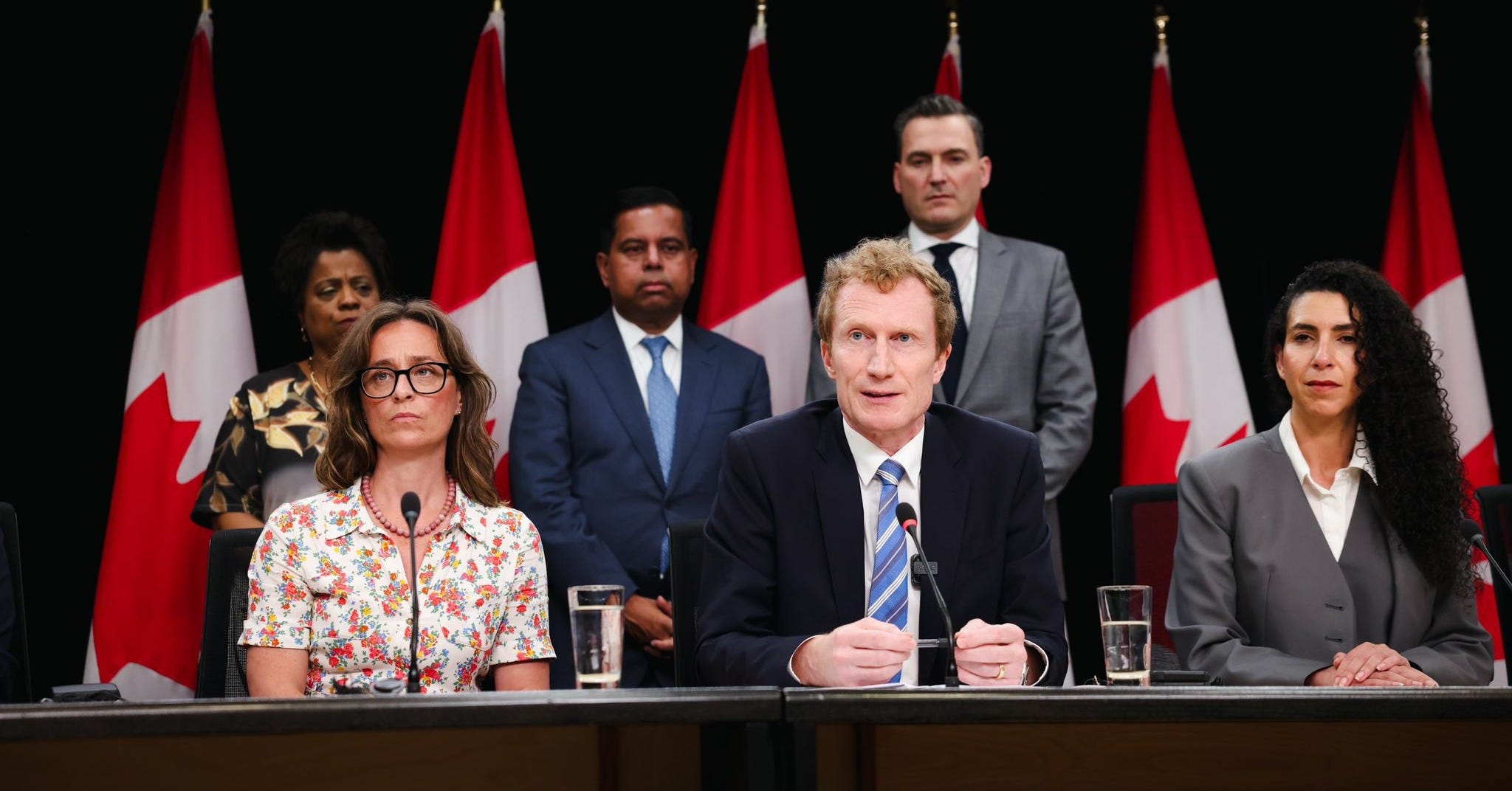
On Wednesday, Heritage Minister Marc Miller echoed concerns over child safety, citing rising online child luring and sexual exploitation linked to increased suicidal ideation among targeted youth.
“Behind every one of these stats is a child, a family, and a life,” he said, noting the most important consideration of C-34 was to “protect kids” from harm.
The Safe Social Media Act features seven categories of “harmful content,” largely revolving around child sexual exploitation. It also targets content that foments hatred, content that incites violence, and terrorism or violent extremism content.
Dr. Geist says a bill focused on a “duty to protect children through design” could pass easily, but argues the government instead bundled it with cabinet-driven age verification rules and a powerful commission whose key criteria remain undefined.

Moreover, the academic warns that a social media ban for under-16s raises “serious privacy concerns” for millions of Canadians.
Under Bill C-34, age verification rules will be reviewed by the Commission for privacy and free-expression compliance, with potential privacy risks, repeated verification, and exemptions if child safety standards are met.
Adding to the uncertainty, Minister Miller said the under-16 social media ban would take effect immediately once C-34 receives royal assent, less the regulatory review. However, the bill says otherwise.
Dr. Geist says the act’s uncertainty and “trust us” approach will likely result in delays, challenges, and court cases. Its legislative text was not publicly released until after the media presser on Wednesday evening.

Under Bill C-34, the Commission could also issue removal orders on social media posts deemed to undermine “social stability,” including “harmful content” said to “foment hatred,” according to Blacklock’s Reporter.
Christine Van Geyn of the Canadian Constitution Foundation says the bill’s definition of “harmful content,” especially “hate,” is overly subjective.
Much of the concern, Geyn says, is recycled from Trudeau’s failed Online Harms Act, including the Digital Safety Commission. She argues it would act as a federal speech regulator, pushing platforms—under complaint pressure and legal risk—to remove controversial content rather than protect open debate.
Hate speech is already illegal in Canada under Criminal Code provisions. Previous bills to expand regulation to legal online content deemed “likely to foment detestation or vilification” failed.
Should Bill C-34 pass, the Digital Safety Commission will write the rules, enforce them, and decide which platforms escape the ban restriction, a bureaucracy comparable to the CRTC, which has sweeping regulatory powers.
“This bill is a sneak-attack on our constitutionally protected right to free expression,” Van Geyn wrote on X.
“The government knows it cannot directly ban unpopular, rude, divisive, transgressive or even offensive speech, so it is outsourcing this censorship role to online platforms by creating a regulatory chill.”
A 2024 Public Safety Canada study found 60% of young Canadians viewed social media as “totally or mostly positive,” with negative content mainly involving name-calling and appearance-based comments.
The ever growing authoritarian Regime takes another step forward.
How about fixing our economy, cleaning up the drug addiction, imprisoning violent criminals and working on our housing and healthcare crisis’s.
Leave the parenting to parents. Child safety my butt. Control is more to the point of what conman wants to accomplish.