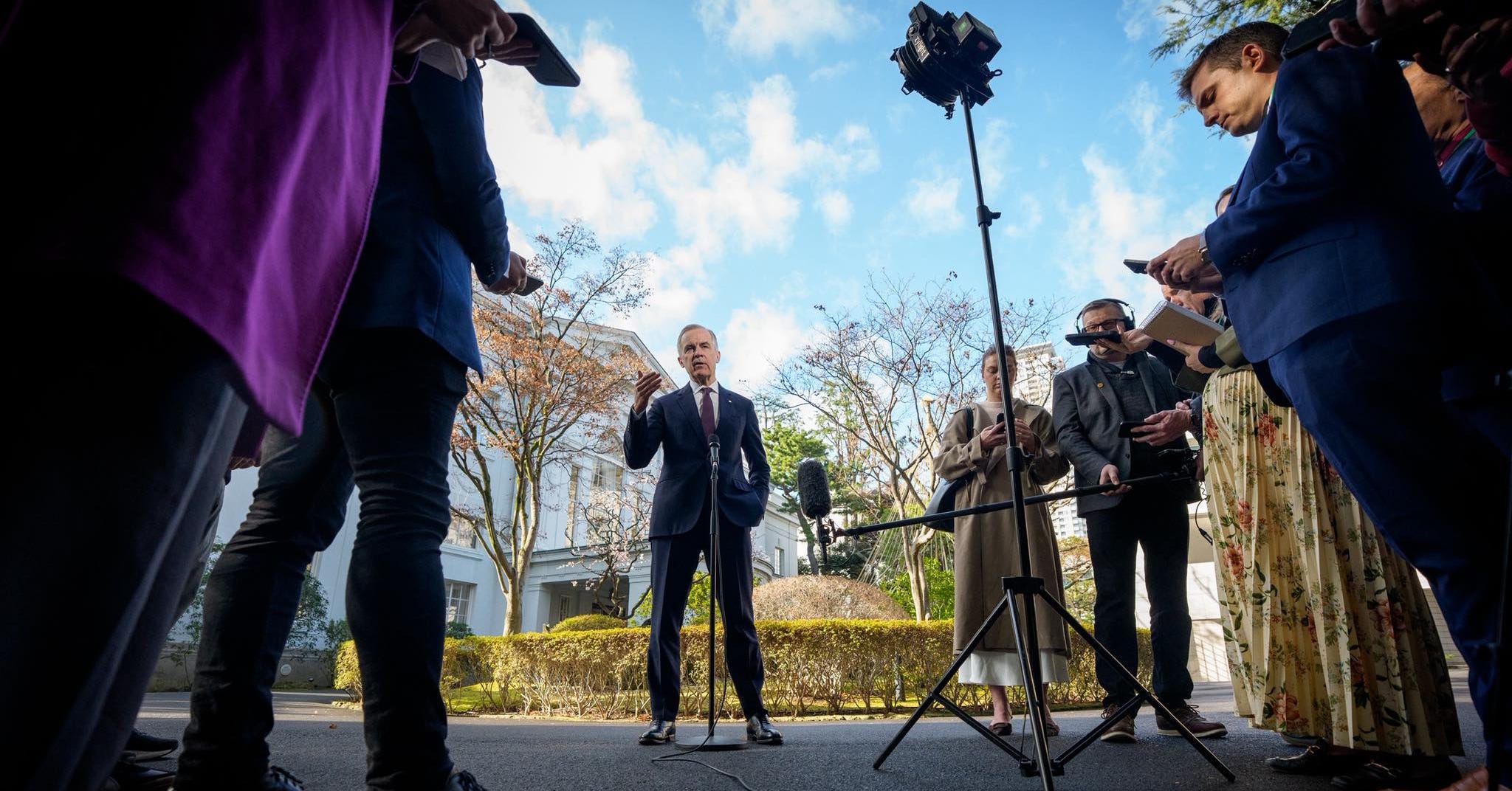
Carney grilled over censorship, media subsidies on World Press Freedom Day
In a post on X, Carney wrote that journalism “empowers us with the truth and protects our democracy,” adding that Canada “continues to support a free and open press.”
Facebook (Mark Carney)
Author: Cosmin Dzsurdzsa
Prime Minister Mark Carney’s World Press Freedom Day message praising Canada’s “free and open press” backfired and triggered a wave of criticism online Saturday, with commentators accusing the federal government of undermining media independence through subsidies, regulation and selective access to journalists.
In a post on X, Carney wrote that journalism “empowers us with the truth and protects our democracy,” adding that Canada “continues to support a free and open press.”
The Counter Signal reports the stories the legacy media doesn’t want to touch. Become a subscriber today to support bold, fearless journalism.
The statement quickly drew pushback from conservative commentators, independent journalists and free speech advocates, many of whom argued that government funding for media organizations compromises journalistic independence.
Commentator Mario Zelaya challenged Carney to begin taking questions from independent outlets such as Rebel News and Juno News, claiming the government prefers “softball questions” from legacy media organizations that receive public funding.
Blacklock’s Reporter publisher Holly Doan accused the federal government of hypocrisy, referencing an ongoing legal dispute involving the sharing of copyrighted news content across the public service without compensation or permission. She argued the government’s actions contradict its public defence of press freedom.
Former CRTC vice-chair Peter Menzies mocked the prime minister’s statement by suggesting Canada no longer has a truly independent press because many major outlets now rely on public subsidies.
Canadian Taxpayers Federation director Kris Sims described Carney’s remarks as “Orwellian,” alleging the government simultaneously subsidizes mainstream media while attempting to censor or marginalize independent journalists.
Other critics pointed to Liberal legislation such as Bill C-11 and the proposed Online Harms Act as evidence of increasing federal control over online speech and news distribution. Some users argued CRTC regulations and platform algorithms disproportionately favour CBC and government-approved media sources while limiting the reach of independent commentators.
Commentator Jasmin Laine questioned why the government continues to support what she described as “algorithmic controls” affecting online visibility for non-establishment news sources.
The debate revived longstanding criticism surrounding federal media subsidies introduced and expanded under previous Liberal governments. Critics frequently cite programs such as the Canada Periodical Fund, labour tax credits and other support measures, which collectively amount to hundreds of millions of dollars annually for news organizations.