

Author: Quinn Patrick
Amid calls to shrink government, Prime Minister Mark Carney announced a $25-billion sovereign wealth fund, called the “Canada Strong Fund,” one day before the Liberals’ spring economic update.
Conservatives have criticized the initiative as a “debt fund,” questioning how Ottawa can sustain it while running persistent deficits.
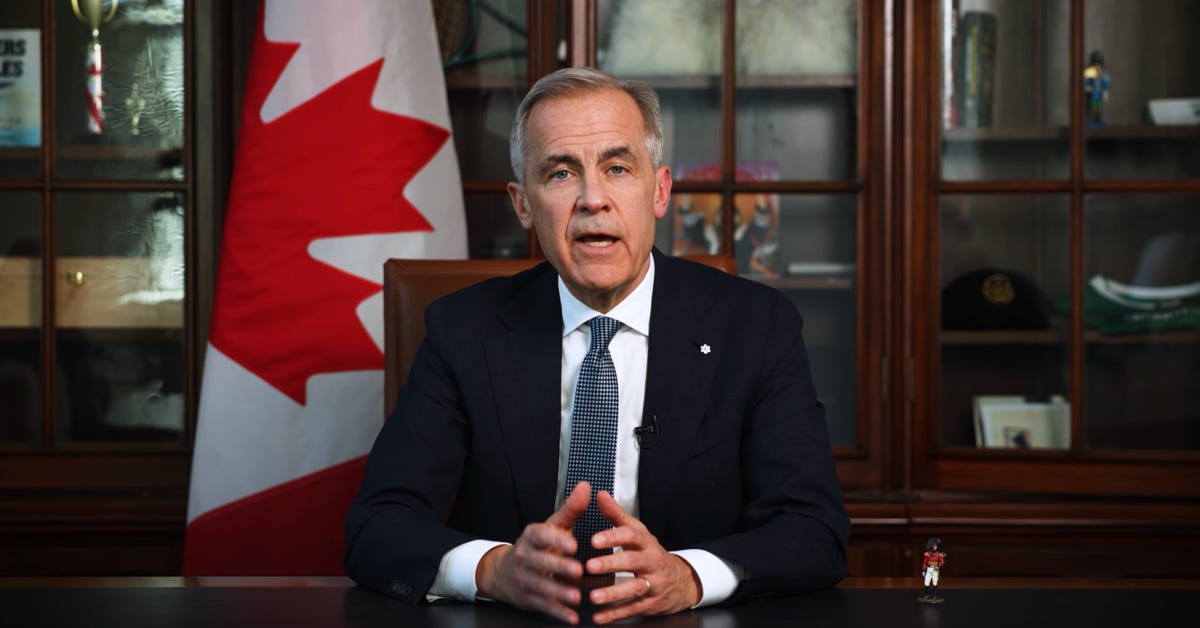
Carney made the announcement via a YouTube video on Monday, saying the fund “will grow through asset recycling and reinvestment, creating even greater opportunities for future generations.”

Ottawa will take surplus government reserves and invest them in financial assets such as stocks and bonds, which will be “professionally managed and operate as an arm’s length independent Crown corporation” and “will be accessible to everyone.”
Finance Minister François-Philippe Champagne said the Canada Strong Fund will “invest in key, strategic Canadian projects and companies” and that “Canadians themselves will have the opportunity to invest in the Fund, giving them a direct stake in our country’s growth and the ability to share in its success.”
A dedicated Canada Strong Fund transition office will be created to advance a targeted engagement with market participants and regulators, and finalise details of the Fund’s governance.
“The Government will launch a retail investment product allowing individual Canadian investors to participate in Canada’s growth and benefit from its financial returns. Over time, and depending on need, the government will also consider other sources of capital for the Fund, such as unlocking the full value of federal assets,” reads a release from the Prime Minister’s Office.
During a press conference in Ottawa, the prime minister was asked why a new agency was required when there are already existing entities such as the Canada Infrastructure Bank, Export Development Canada, the Canada Growth Fund, the Business Development Bank of Canada and others.
According to Carney, the difference is that the new fund “comes in on a commercial basis” and will get returns alongside the private sector.

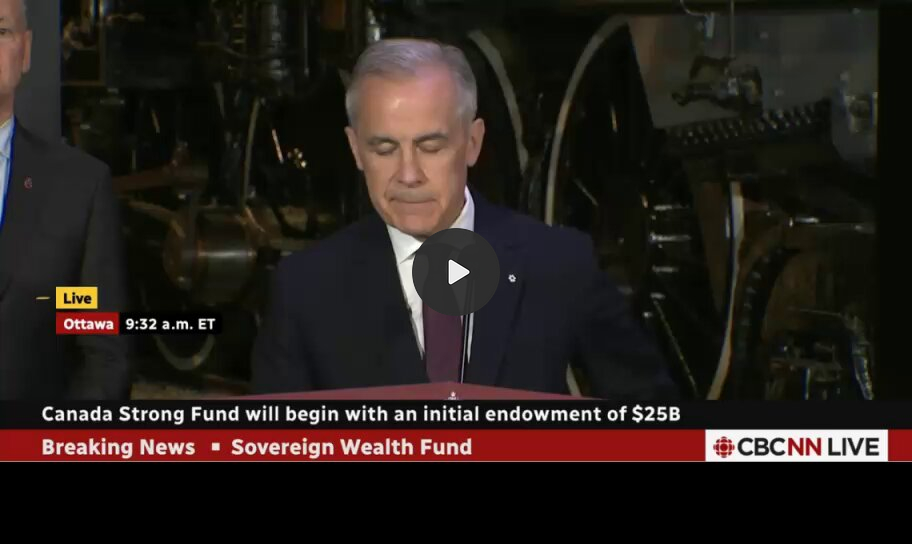
When asked about “transparency” regarding who would manage the fund, Carney said it will be “independent” and “report to Parliament.”
Meanwhile, Conservative Leader Pierre Poilievre penned an open letter to Carney on Sunday, calling out his promise that his government would “spend less.”
He urged Carney to “cap the deficit for this year at the level Justin Trudeau announced in his last fiscal update: $31 billion” and “present a plan to return to a balanced budget in the medium term.”


“You promised to shrink the bureaucracy, but in your first 11 months as Prime Minister, it grew by 7.4 per cent. Consultant spending is up too, and far from spending less, the overall cost of day-to-day operating spending is up 9.1 per cent in under a year,” reads the letter.
“The consequence is that your government’s interest payments on the national debt are now higher than what you spend on health care transfers or National Defence, and more than you collect in GST. Every penny people pay in federal sales tax now goes to bankers and bondholders, not to doctors and nurses.”
Conservative MP Michelle Rempel Garner also criticized the announcement, calling it a “debt fund” instead of a “wealth fund”.


”True sovereign wealth funds like Norway’s are built from surpluses. Canada is running massive deficits,” she wrote in a post to X on Monday. “This is akin to a man who’s in debt borrowing hundreds of thousands to buy stocks.”