


The federal government celebrated what it called record recruitment in the Canadian Armed Forces, but parliamentary testimony paints a more complicated picture of lower standards, including recruits who lack basic English and French language abilities.
At a meeting of the Standing Committee on Public Accounts on Monday, senior officials from the Department of National Defence and the Canadian Armed Forces were questioned alongside the Office of the Auditor General about recruitment flows, training capacity and attrition rates that continue to sit stubbornly high despite higher enrolment numbers.

The department confirmed that 7,310 recruits joined the Regular Force in fiscal 2025–26, surpassing a target of 6,957 and marking what it described as the strongest intake in more than three decades.
A new target of 8,200 has now been set for the coming year, alongside plans to roll out a Digital Onboarding System intended to streamline early-stage recruitment and preparation.
But behind the headline figures, MPs raised concerns about how many recruits actually make it through the system and what is happening to those who do not.
Conservative MP James Bezan pointed to data showing that of roughly 44,000 applicants, only about 7,300 ultimately reached basic training.

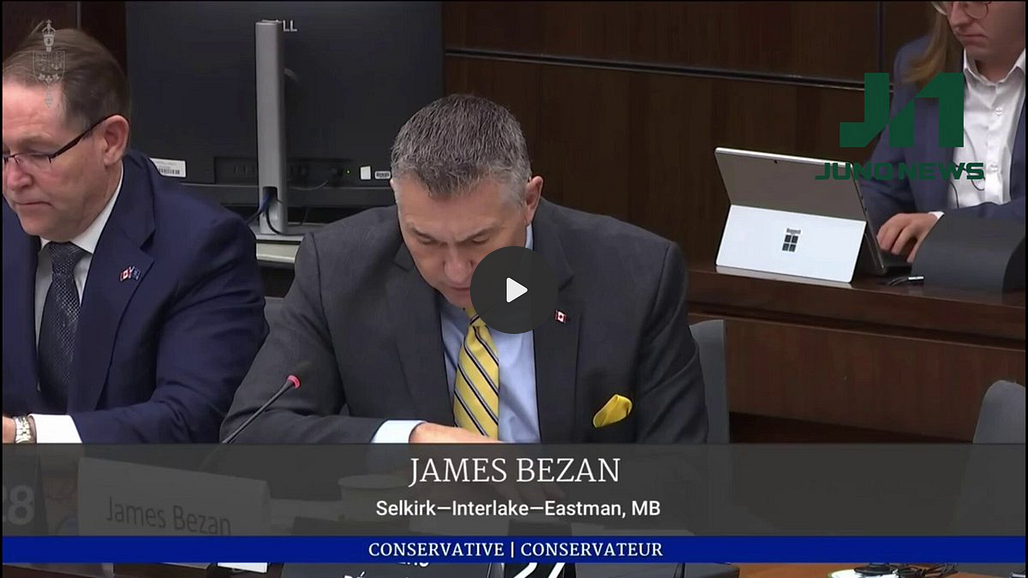
Department officials acknowledged that first-year attrition sits at roughly 16 per cent and said further analysis is needed to understand why so many candidates are dropping out or failing to progress.

At Canadian Forces Base Saint-Jean, one of the military’s main training hubs, MPs also raised concerns about the growing complexity of basic training intake. Bezan said some permanent resident recruits are reportedly withdrawing or failing basic training, including due to language barriers, adding pressure on instructors and infrastructure already operating near capacity.

The Canadian Armed Forces has implemented several changes, including relaxing dress codes and allowing more waivers to aptitude tests, while also making the fitness evaluation universal instead of gearing standards towards age and gender. Additionally, the military opened recruitment to permanent residents as of 2022.
The Department of National Defence has not publicly broken down attrition by immigration status, but officials acknowledged that language readiness and adaptation challenges can affect completion rates in initial training environments.
Makes Canada vulnerable for a foreign army (Chinese) to take over military operations in Canada. Whoops did I just say that. Whoops. God bless.
Weepy grandma in charge of the military.