


Author: Clayton DeMaine
Helen Long, CEO of Dying with Dignity Canada, testified Tuesday before the Special Joint Committee on “Medical Assistance in Dying,” arguing for the expansion of one of the world’s largest legal euthanasia programs to allow Canadians suffering solely from mental illness to access assisted suicide.
Conservative MP Andrew Lawton grilled Long over her position, as numerous witnesses and experts told the committee that mental illness is often treatable and that facilitating medical euthanasia could lead to the deaths of people who may have otherwise recovered.

During her testimony at the committee, Long noted that her organization supports “the right of a competent adult with a mental illness as their sole underlying medical condition to apply for and receive MAiD.”
“Some experts have stated that mental illness cannot be considered grievous and irremediable. Their illness and outlook may possibly, one day in the future, improve, but certainty about the future is not a requirement to access maid,” she said in her opening remarks. “There is plenty of uncertainty in many medical conditions, but people with physical disorders are informed about the uncertainties and engage in dialog with clinicians to talk about risks and their own values.”

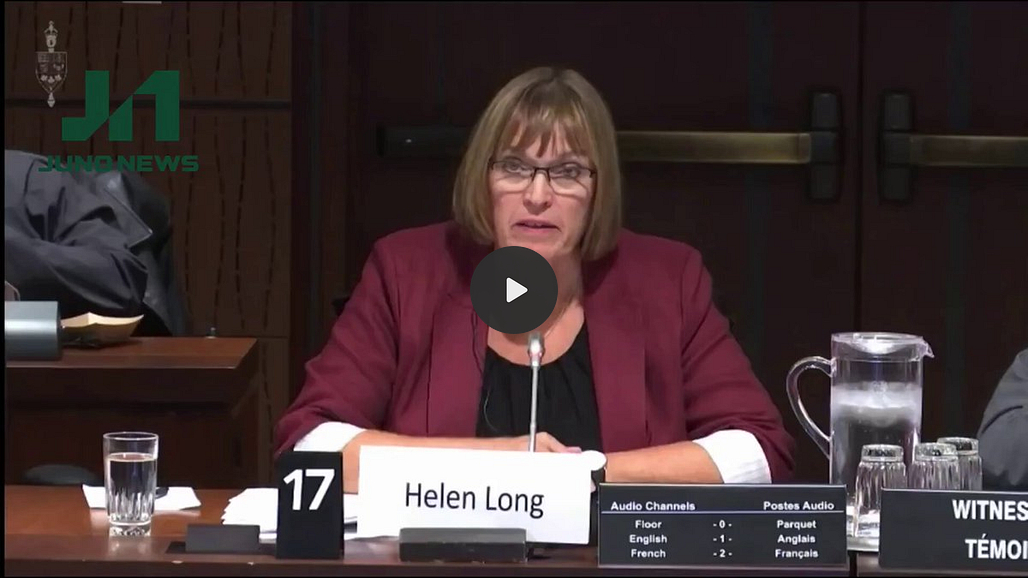
She also claimed that 80 per cent of Canadians support assisted suicide for people whose sole underlying condition is mental illness.
While agreeing with experts who told the committee that some mental illnesses can improve over time and through treatment, Long repeated the claim that assisted suicide would only be granted to those with “debilitating, irremediable mental disorders.”
“There are physicians who are confident in their ability to assess and provide maid for mental illness,” she said. “Their ability and willingness to do so is based, in fact, backed by robust academic literature and informed by countless hours of experience in clinical settings.”

Lawton pressured her again, noting the eight physicians who said they “could not accurately distinguish between the desire to die by maid and suicidality.” In response, Long named an admittedly smaller number of physicians who said they could make the distinction.
Lawton asked if she was at all concerned by the testimony of those physicians who stated that physicians lack the capacity to make that distinction.
re prepared to do the work believe they do have the capacity. And should they be in a situation where they don’t feel they can assess that,” Long said. “I am quite confident, they would consult others with expertise, or they would deny the person.”
Lawton raised the issue that Dying with Dignity Canada has supported legal challenges involving physicians who denied access to euthanasia.
“Our institution has a record of supporting legal challenges that support Charter rights,” she said.

When pressed again, she claimed that her organization “would never issue a lawsuit, forcing clinicians to take any kind of action.”
Lawton then noted an “intersection between mental illness and external factors like loneliness, poverty, insecurity, a lack of a social network,” and asked how many of those things Long feels justify someone to seek state-sanctioned medical death.
Long insisted, however, that those factors are not eligibility criteria, which she would have expanded to only requiring a mental disorder deemed “irremediable.”
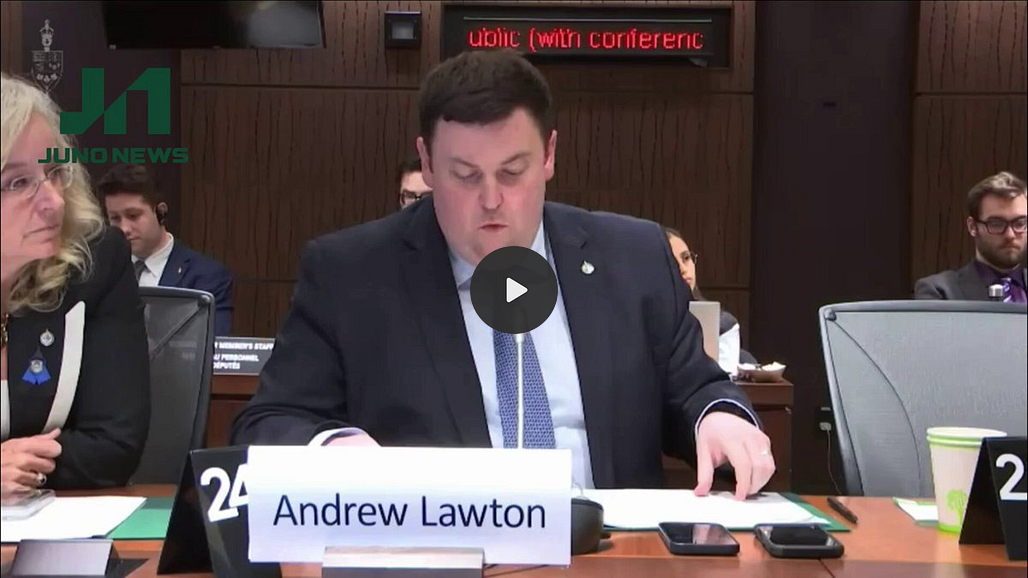
Lawton pointed out that Long claims that assisted suicide would never be offered to those who have never received a treatment for their mental illness, but noted that there is nothing in the legislation that would prevent this from happening.
When Long affirmed that the safeguard was not in the legislation but “would form part of the eligibility criteria” and the assessment that a clinician provides, Lawton asked if she would support legislation rather than ensuring that safeguard.
“Generally speaking, that is not a detail. That is in legislation. It’s in practice standards, it’s in guidelines, it’s in college materials, it’s in training modules,” Long said, without committing to support enshrining the safeguard into law. “It’s in all of the other pieces that exist.”