


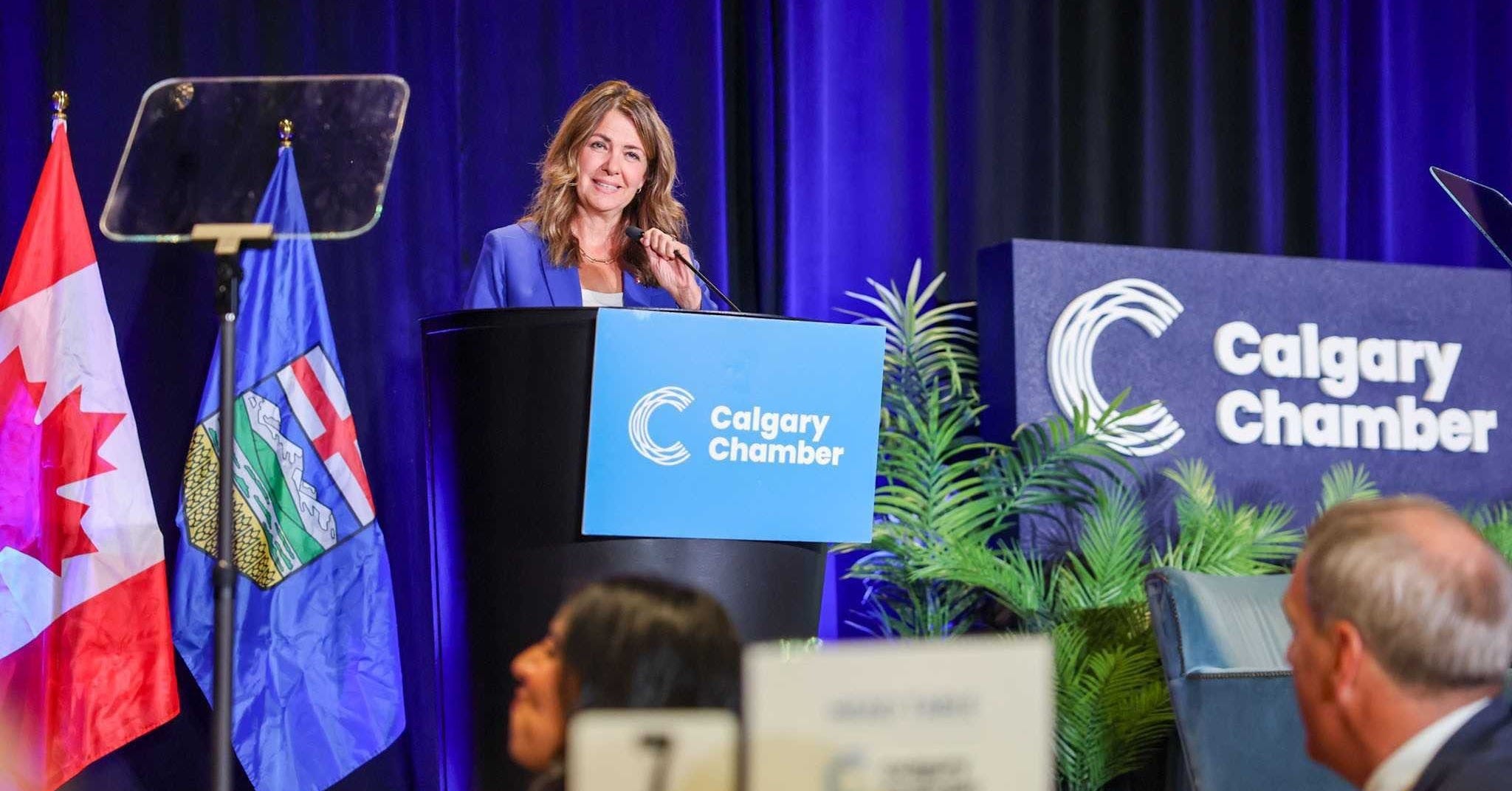
Alberta drivers are getting relief at the pump, with Premier Danielle Smith announcing the province will suspend its entire fuel tax through the end of the year as higher energy prices squeeze household budgets.
Starting Oct. 1, Alberta will suspend its 13-cent-per-litre provincial tax on gasoline and diesel, with the measure remaining in place until Dec. 31.


“We have heard from Albertans who are facing continued high costs at the pump, so we’re taking action to help with the cost,” Smith said.
“Suspending the provincial fuel tax will save drivers, families and businesses 13 cents per litre every time they fill up for the rest of the year. It’s direct relief that will help Albertans keep more of their hard-earned money.”
The province pointed to global conflicts, trade uncertainty and rising energy prices as factors putting additional pressure on Albertans.

Alberta’s fuel tax is normally adjusted quarterly based on the price of West Texas Intermediate oil. Under the province’s Fuel Tax Relief Program, the full 13-cent tax is suspended when the benchmark averages at least US$90 per barrel. A partial tax applies between US$80 and US$89.99, while the full tax returns below US$80.
For the Oct. 1 quarterly adjustment, WTI averaged US$90.54 during the province’s Aug. 18 to Sept. 15 review period.
The move returns Alberta to fuel tax relief just three months after Smith replaced it for the summer quarter with a $100 direct rebate.

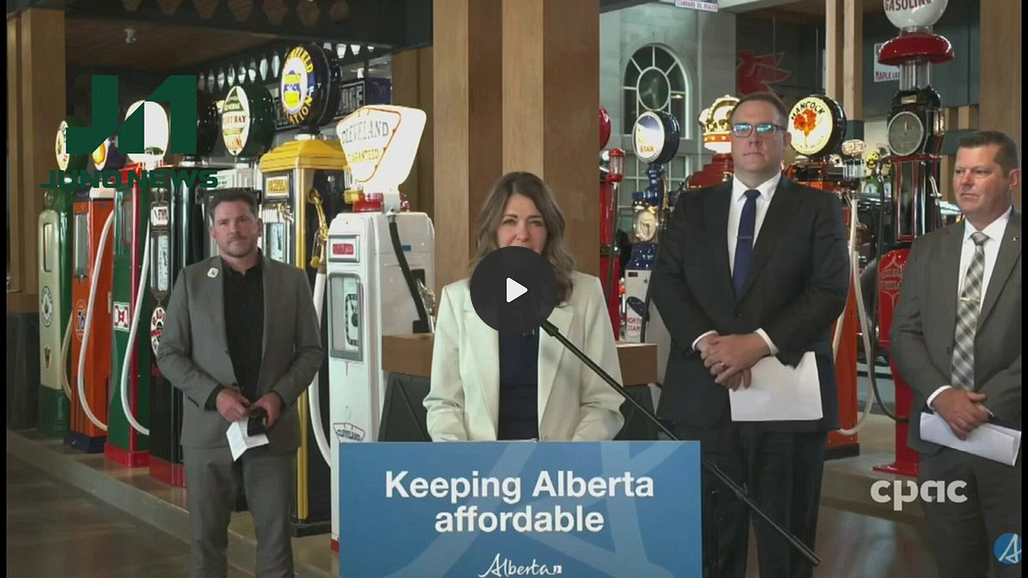
On June 17, Smith announced the Fuel Tax Relief Program would be replaced for the July-to-September period by the Alberta Energy Rebate, with nearly 3.4 million Albertans eligible to receive $100.
“This rebate replaces the fuel tax relief program, which temporarily paused all or part of the 13 cents per litre provincial fuel tax when oil prices reach a certain threshold,” Smith said at the time.
Smith argued the direct payment would ensure Albertans benefited from higher provincial energy revenues rather than relying on retailers to pass fuel tax savings through at the pump.
“Rather than relying on retailers to pass on the fuel tax relief, this approach will ensure elevated oil revenues deliver real benefits to Albertans, benefits that don’t disappear at the pumps,” she said.
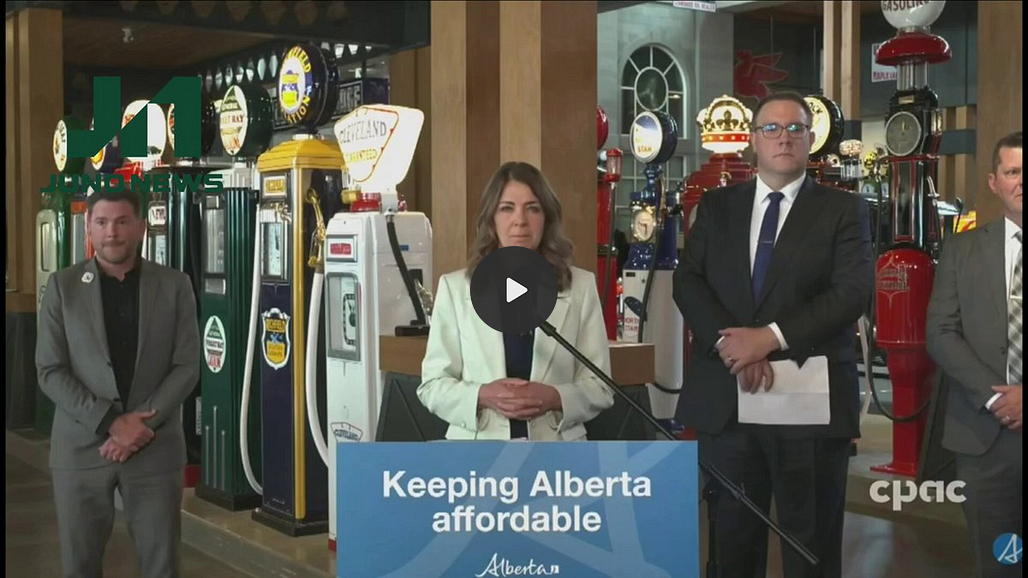
Smith also said the rebate would provide families with more than 50 per cent greater relief than the fuel tax program was projected to deliver over the following three months.
She later defended the $100 payment after being asked whether it was enough to meaningfully help families.
Smith said an average Albertan uses roughly 2,000 litres of gasoline annually and would have received about $65 in savings over the quarter through the fuel tax program.
“So this is going to be a $100 rebate, and so it’s $35 more than they would have got with the fuel tax program,” Smith said.
“Instead, we’re giving them $100 upfront.”
The rebate was available to eligible Albertans in households earning up to $225,000, with Smith arguing recipients could use the money for fuel, groceries, utilities or other expenses.
Alberta’s current fuel tax information confirms the $100 energy rebate replaced the Fuel Tax Relief Program specifically for the July-to-September period.
The province said gasoline prices in Alberta averaged 175.5 cents per litre as of Sept. 21, compared with a Canadian average of 189.8 cents.
If the 13-cent tax had been removed that day, Alberta estimated average pump prices would have fallen to roughly 162.5 cents per litre, nearly 20 cents below the next-lowest province.
The government says it will monitor pump prices for signs the tax savings are not being passed on to consumers.
Businesses found guilty of price gouging could face fines of up to $300,000 or as much as two years in jail, according to the province.


Finance Minister Jason Nixon said Alberta’s fiscal position allowed the province to provide the relief as prices rise.
“With global uncertainty and prices rising, we are ensuring Albertans have the support they need to address the higher costs of everyday essentials,” Nixon said.
“It’s relief we’re able to provide thanks to our strong fiscal position, helping us make life more affordable.”
The Canadian Taxpayers Federation applauded the decision, estimating the suspension could save an Alberta household with two vehicles filling up weekly roughly $350 by the end of December.
“Premier Danielle Smith’s government is doing the right thing by dropping this fuel tax back down to zero,” Alberta director Kris Sims said.
“This is the right move by Finance Minister Jason Nixon because lowering the cost of fuel makes things more affordable and that’s exactly what people need right now.”
The province will review oil prices again ahead of the Jan. 1, 2027 quarterly adjustment. The next review period runs from Nov. 17 through Dec. 15.